
| Date | Venue | Fee | |
|---|---|---|---|
| 16 Nov - 20 Nov 2026 | Dubai – UAE | $ 5,950 | Register Now |
| 14 Dec - 18 Dec 2026 | Dubai – UAE | $ 5,950 | Register Now |
| 21 Jun - 25 Jun 2027 | Dubai – UAE | $ 5,950 | Register Now |
| 16 Aug - 20 Aug 2027 | London - UK | $ 6,950 | Register Now |
| 15 Nov - 19 Nov 2027 | Dubai – UAE | $ 5,950 | Register Now |
| 13 Dec - 17 Dec 2027 | Dubai – UAE | $ 5,950 | Register Now |
About the Course
Balancing infrastructure development with environmental sustainability has become one of the most important challenges facing coastal and marine projects worldwide. Ports, harbours, offshore energy facilities, desalination plants, coastal protection systems, marinas, and other marine developments are essential for economic growth, trade, water security, and community development. However, the planning, construction, and operation of these projects can significantly influence coastal hydrodynamics, sediment transport, water quality, marine ecosystems, biodiversity, fisheries, and the livelihoods of coastal communities. As environmental regulations continue to evolve and stakeholder expectations increase, Environmental Impact Assessment (EIA) has become an essential planning and decision-making process for ensuring that coastal and marine infrastructure projects are environmentally responsible, socially sustainable, and compliant with national regulations and international best practices. Modern Environmental Impact Assessments integrate scientific investigations, engineering analyses, environmental risk assessment, climate resilience, stakeholder engagement, and environmental management planning to support sustainable infrastructure development and long-term environmental stewardship.
This interactive 5-day Environmental Impact Assessment for Coastal and Marine Infrastructure training course equips delegates with the knowledge and practical methodologies required to plan, conduct, review, and manage EIAs for a wide range of coastal and marine infrastructure projects. By integrating baseline environmental studies, coastal processes, site investigations, physical and numerical modelling, environmental impact prediction, mitigation planning, stakeholder engagement, environmental monitoring, and regulatory compliance, delegates will develop the practical knowledge and skills required to evaluate environmental risks and support informed engineering and environmental decision-making. It also examines cumulative impact assessment, climate change adaptation, environmental management planning, monitoring programmes, and lessons learned from successful coastal and marine infrastructure projects, enabling delegates to contribute effectively to environmentally sustainable development while balancing engineering, environmental, social, and economic objectives.
Core Objectives
The delegates will achieve the following objectives:
- Analyse the principles, regulatory frameworks, and international best practices governing Environmental Impact Assessments (EIAs) for coastal and marine infrastructure projects
- Evaluate baseline environmental conditions, coastal processes, monitoring data, and physical and numerical modelling results to support informed environmental decision-making
- Assess the potential environmental, social, and climate-related impacts associated with coastal and marine infrastructure developments throughout the project lifecycle
- Differentiate appropriate environmental assessment methodologies, coastal protection strategies, and mitigation measures based on project characteristics, environmental sensitivities, and regulatory requirements
- Integrate stakeholder engagement, environmental risk assessment, and sustainability considerations into the planning, implementation, and review of EIA studies
- Develop practical mitigation, environmental management, and monitoring programmes to minimise environmental impacts during the construction, operation, and maintenance phases of coastal and marine infrastructure projects
- Evaluate Environmental Impact Assessments by balancing engineering performance, environmental protection, regulatory compliance, climate resilience, and long-term sustainable development objectives
Training Approach
This training course combines expert facilitator-led presentations, practical engineering and environmental discussions, real-world case studies, and collaborative learning to strengthen delegates' understanding of Environmental Impact Assessment (EIA) principles and best practices for coastal and marine infrastructure projects. Delegates will examine environmental assessment methodologies, analyse baseline environmental studies, interpret physical and numerical modelling results, evaluate environmental and social impacts, and assess mitigation and environmental management strategies through practical industry case studies and examples. Interactive exercises, group discussions, and project-based activities will reinforce key concepts and encourage the application of engineering and environmental judgement to real-world coastal and marine development challenges. Delegates will also review lessons learned from successful Environmental Impact Assessments, enabling them to develop practical, sustainable, and compliant solutions that support environmentally responsible infrastructure development within their own organisations.
The Attendees
This training course is designed for professionals involved in planning, design, environmental assessment, permitting, construction, operation, and management of coastal and marine infrastructure projects. It is particularly valuable for those responsible for evaluating environmental impacts, ensuring regulatory compliance, managing environmental risks, and supporting sustainable coastal and marine development through effective Environmental Impact Assessments (EIAs).
A broad range of professionals will benefit, including but not limited to:
- Environmental Engineers
- Coastal and Marine Engineers
- Marine Project Engineers
- Coastal Planners
- Marine Ecologists
- Environmental Compliance Managers
- Marine Infrastructure Developers
- Coastal Management Specialists
- Port and Harbour Engineers
Daily Discussion
DAY ONE: PRINCIPLES AND REGULATORY FRAMEWORK OF ENVIRONMENTAL IMPACT ASSESSMENT
- Why EIAs for Coastal and Marine Infrastructure?
- International and National Environmental Regulatory Frameworks
- Environmental Standards, Guidelines, and Best Practices
- EIA Screening and Scoping
- EIA Methodologies for Different Project Types
- EIA Process and Study Planning
DAY TWO: BASELINE ENVIRONMENTAL STUDIES FOR COASTAL AND MARINE ENVIRONMENTAL IMPACT ASSESSMENTS
- Site Investigation and Baseline Environmental Studies
- Field Measurement Planning and Data Collection
- Coastal Geomorphology
- Shoreline Change Assessment
- Meteorological and Oceanographic Conditions
- Coastal Hydrodynamics and Sediment Transport Processes
- Marine Ecology and Water Quality Assessment
- Baseline Environmental Data Analysis and Interpretation
DAY THREE: COASTAL PROTECTION SOLUTIONS AND ENVIRONMENTAL CONSIDERATIONS
- Hard Engineering Coastal Protection Solutions
- Soft Engineering Coastal Protection Solutions
- Nature-Based Coastal Protection Solutions
- Engineering Design Criteria and Solution Selection
- Environmental Impacts of Coastal Protection Measures
- Mitigation Strategies for Sustainable Coastal Development
DAY FOUR: ENVIRONMENTAL IMPACT ASSESSMENT, MITIGATION, AND DECISION-MAKING
- Physical and Numerical Modelling for EIA
- Environmental Impact Prediction and Significance Assessment
- Cumulative Impact Assessment and Environmental Risk Evaluation
- Stakeholder Engagement and Public Consultation for Environmental Assessment
- Evaluation of Project Alternatives and Coastal Protection Options
- Mitigation Measures and Environmental Management Planning
- Environmental Considerations During Construction and Operation
- Climate Change Adaptation and Coastal Resilience
DAY FIVE: ENVIRONMENTAL IMPACT ASSESSMENT PLANNING, IMPLEMENTATION, AND MONITORING
- Project Scoping and Environmental Objective Setting
- Environmental Reporting and Documentation
- Physical and Numerical Modelling Planning
- Evaluation of Project Alternatives and Preferred Options
- Community Engagement During Project Implementation and Monitoring
- Environmental Management System Implementation
- Environmental Monitoring and Regulatory Compliance
- Integrated Case Study: Developing an Environmental Impact Assessment Strategy
Certificate Awarded
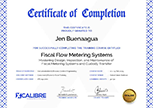
Upon successful completion of this training course, participants will be awarded a Certificate of Completion from XCalibre Training Centre, acknowledging their accomplishment. This certificate serves as a testament to their dedication to developing their skills and advancing their expertise in their respective fields.