
| Date | Venue | Fee | |
|---|---|---|---|
| 21 Sep - 25 Sep 2026 | London - UK | $ 5,950 | Register Now |
| 09 Nov - 13 Nov 2026 | Dubai – UAE | $ 5,950 | Register Now |
| 22 Mar - 26 Mar 2027 | Dubai – UAE | $ 5,950 | Register Now |
| 31 May - 04 Jun 2027 | London - UK | $ 6,950 | Register Now |
| 20 Sep - 24 Sep 2027 | London - UK | $ 6,950 | Register Now |
| 08 Nov - 12 Nov 2027 | Dubai – UAE | $ 5,950 | Register Now |
About the Course
The Ship Security Officer plays a critical role in protecting vessels, crews, cargoes, and maritime operations from a wide range of security threats. While compliance with the International Ship and Port Facility Security (ISPS) Code remains a fundamental requirement, modern Ship Security Officers are increasingly expected to identify emerging threats, assess vulnerabilities, and implement effective security measures that support both operational continuity and security resilience. As maritime security challenges continue to evolve, organisations require personnel who can manage security risks, coordinate protective measures, and respond effectively to incidents affecting vessel operations.
This intensive 5-day Ship Security Officer (SSO) training course has been developed to provide practical knowledge and operational guidance for personnel responsible for shipboard security management and security-risk control. It examines Ship Security Assessments, Ship Security Plans, maritime security levels, access control arrangements, cargo and stores security, security inspections, incident response procedures, and security investigations. Delegates will also explore contemporary maritime security challenges, including piracy, armed robbery, terrorism, organised crime, insider threats, cyber-security vulnerabilities, and regional instability affecting international shipping. Emphasis is placed on risk-based security management, threat assessment, security preparedness, compliance with international maritime security requirements, and the implementation of effective shipboard security arrangements. Upon completion, delegates will be better equipped to strengthen vessel security, improve security readiness, support regulatory compliance, and contribute to the safe and secure operation of maritime assets.
Core Objectives
The delegates will achieve the following objectives:
- Evaluate maritime security threats, vulnerabilities and operational risks affecting vessel operations
- Conduct Ship Security Assessments in accordance with ISPS Code requirements
- Develop, implement and maintain effective Ship Security Plans and associated procedures
- Apply risk-based decision-making and ALARP principles to maritime security management
- Implement practical security measures to protect personnel, cargo, critical assets and vessel operations
- Coordinate security activities with Masters, Company Security Officers and Port Facility Security Officers
- Respond effectively to maritime security incidents, emergencies and elevated threat conditions
- Assess and improve the effectiveness of shipboard security arrangements through inspections, audits, drills and exercises
Training Approach
This training course adopts a highly interactive and application-focused methodology that combines instructor-led presentations, facilitated discussions, operational case studies, group workshops, and maritime security scenarios. Delegates will apply practical techniques in security risk assessment, security planning, incident response, and shipboard security management to strengthen operational effectiveness, improve security preparedness, and support compliance with international maritime security requirements.
The Attendees
This training course is designed for personnel responsible for implementing, managing, or overseeing shipboard security arrangements, including current and prospective Ship Security Officers, as well as maritime professionals seeking to strengthen their capability in maritime security risk management and emerging security threats affecting vessel operations.
A broad range of professionals will benefit, including but not limited to:
- Ship Security Officers (SSOs)
- Masters and Chief Officers
- Company Security Officers (CSOs)
- Marine Superintendents
- Fleet Security Managers
- Marine Operations Managers
- Port Facility Security Officers (PFSOs)
- Government Maritime Security Officials
- Ship Managers and Vessel Operators
- Maritime Security Professionals
Daily Discussion
DAY ONE: MARITIME SECURITY FRAMEWORK AND SSO RESPONSIBILITIES
- Evolution of Maritime Security and Development of the ISPS Code
- SOLAS Chapter XI-2 and International Security Requirements
- Roles and Responsibilities of the Ship Security Officer
- Responsibilities of Contracting Governments and Designated Authorities
- Relationship between the SSO, CSO, and PFSO
- Master's Overriding Authority and Security Responsibilities
- Maritime Security Threats and Risk Assessment Principles
- Security Governance and Accountability Onboard Vessels
- Security Reporting and Communication Procedures
DAY TWO: SHIP SECURITY ASSESSMENTS AND SECURITY PLANNING
- Purpose and Application of Ship Security Assessments
- Conducting On-Scene Security Surveys
- Threat Identification and Vulnerability Assessment Techniques
- Consequence Assessment and Risk Prioritisation
- Application of ALARP Principles in Maritime Security
- Security Risk Registers and Risk Treatment Strategies
- Development and Implementation of Ship Security Plans
- Security Procedures and Protective Measures
- Review and Amendment of Ship Security Plans
- Security Assurance and Plan Maintenance
DAY THREE: SHIPBOARD SECURITY OPERATIONS AND PROTECTIVE SECURITY MEASURES
- Maritime Security Levels and Associated Protective Measures
- Declaration of Security Requirements and Application
- BMP Maritime Security Guidance and Industry Best Practice
- Vessel Hardening and Transit Security Planning
- Access Control and Visitor Management Procedures
- Conducting Physical Searches and Security Inspections
- Restricted Areas and Critical Asset Protection
- Cargo, Stores, and Unaccompanied Baggage Security
- Security Systems, Surveillance Technologies, and Operational Limitations
- Recognising and Preventing Security Circumvention
DAY FOUR: INCIDENT RESPONSE AND EMERGING THREATS
- Security Incident Management and Escalation Procedures
- Response to Security Breaches and Suspicious Activity
- Recognition of Weapons, Dangerous Substances, and Prohibited Items
- Suspicious Behaviour and Threat Recognition Indicators
- Piracy and Armed Robbery Prevention Measures
- Terrorism, Sabotage, and Organised Crime Threats
- Cyber Security Threats, GPS Spoofing, and AIS Manipulation
- Insider Threats and Workforce Security Risks
- Crisis Communication and Reporting Arrangements
- Security Culture and Human Factors Considerations
DAY FIVE: SECURITY ASSURANCE, INVESTIGATION, AND LEADERSHIP
- Planning and Conducting Security Drills and Exercises
- Internal Audits and Inspection Preparation
- Measuring the Effectiveness of Security Arrangements
- Security Incident Investigation and Evidence Management
- ISPS Reporting Requirements and Compliance Monitoring
- Operational Security Challenges and Practical Response Strategies
- Security Leadership, Communication, and Security Culture
- Emerging Challenges in Maritime Security Management
Certificate Awarded
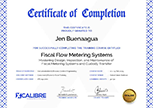
Upon successful completion of this training course, participants will be awarded a Certificate of Completion from XCalibre Training Centre, acknowledging their accomplishment. This certificate serves as a testament to their dedication to developing their skills and advancing their expertise in their respective fields.