
| Date | Venue | Fee | |
|---|---|---|---|
| 29 Jun - 03 Jul 2026 | London - UK | $ 5,950 | Register Now |
| 31 Aug - 04 Sep 2026 | Dubai – UAE | $ 5,950 | Register Now |
| 26 Oct - 30 Oct 2026 | Paris - France | $ 5,950 | Register Now |
| 21 Dec - 25 Dec 2026 | Dubai – UAE | $ 5,950 | Register Now |
| 29 Mar - 02 Apr 2027 | Dubai – UAE | $ 5,950 | Register Now |
About the Course
Ship chartering, laytime, and demurrage remain among the most commercially sensitive areas of maritime and energy logistics, with direct implications for cost control, operational performance, and contractual risk. In an environment characterised by volatile freight markets, port congestion, complex supply chains, and heightened scrutiny of contractual obligations, delays and inefficiencies can rapidly translate into significant financial exposure. Organisations involved in the movement of commodities and cargo must therefore manage not only vessels and schedules, but also the contractual and commercial consequences of time spent in port and at sea. Effective management of these issues requires more than technical knowledge; it demands a clear understanding of how commercial decisions, documentation, and operational conduct interact within contractual frameworks.
This 5-day Ship Chartering, Laytime & Demurrage Masterclass training course is designed to strengthen delegates’ ability to manage chartering and time-related risks from a commercial and operational perspective. It equips professionals with the knowledge needed to interpret contractual obligations, assess exposure to delays, and support informed decision-making in complex trading and logistics environments. Emphasis is placed on linking operational events with their contractual and financial consequences, enabling delegates to recognise how day-to-day actions influence claims, liabilities, and business relationships. Furthermore, it supports improved coordination between commercial, operational, and contractual functions by promoting a structured approach to managing time-related obligations and disputes. By enhancing awareness of risk drivers and commercial leverage, delegates will be better positioned to protect organisational interests, reduce avoidable losses, and contribute to more effective contract performance.
Core Objectives
By the end of the training course, delegates will be able to:
- Identify key concepts and terminology related to ship chartering, laytime, and demurrage
- Explain the commercial significance of chartering arrangements and time-related obligations in maritime operations
- Interpret charterparty provisions to determine responsibilities for time, cost, and operational performance
- Apply established methods to manage laytime and demurrage exposure in practical shipping scenarios
- Analyse operational delays and their contractual and financial consequences within chartering transactions
- Evaluate demurrage claims and dispute situations against contractual requirements and supporting evidence
- Design commercially sound approaches to controlling time-related risk and improving contract performance in shipping operations
Training Approach
The training course adopts a structured, facilitator-led approach supported by focused discussions and applied commercial scenarios. This methodology is designed to strengthen professional judgement and enhance delegates’ ability to manage chartering, laytime, and demurrage risks with greater commercial and operational control.
The Attendees
This training course is suitable for professionals involved in chartering, marine operations, and commercial contract administration who require stronger capabilities in managing laytime, demurrage, and delay-related risks.
It will be valuable to the professionals, but not limited to the following:
- Chartering Managers and Executives
- Shipping and Marine Operations Managers
- Commercial and Trading Professionals
- Contract Managers and Contract Administrators
- Logistics and Supply Chain Managers
- Claims, Demurrage, and Freight Settlement Officers
- Terminal and Port Operations Personnel
- Finance and Cost Control Professionals
- Professionals involved in Vessel Scheduling, Cargo Movements, or Charterparty Administration
Daily Discussion
DAY ONE: CHARTERING STRUCTURES AND COMMERCIAL CONTEXT
- Role of Chartering in Maritime Trade and Logistics
- Voyage, Time, and Bareboat Charter Structures
- Commercial Objectives in Chartering Transactions
- Rights and Obligations of Owners and Charterers
- Key Charterparty Clauses and Risk Allocation
- Market Drivers Affecting Freight and Charter Rates
- Commercial Decision-making in Chartering Operations
DAY TWO: LAYTIME PRINCIPLES AND OPERATIONAL IMPACT
- Purpose and Legal Meaning of Laytime
- Notice of Readiness and Its Commercial Effect
- Commencement and Suspension of Laytime
- Loading and Discharging Obligations
- Weather Working Days and Operational Exceptions
- Port Congestion and Terminal Constraints
- Operational Documentation Affecting Laytime
DAY THREE: DEMURRAGE AND COST EXPOSURE
- Relationship between Laytime and Demurrage
- Demurrage as Liquidated Damage
- Calculation of Demurrage and Dispatch
- Allocation of Delay Risk between Parties
- Common Causes of Demurrage in Practice
- Financial Impact of Delays on Shipping Operations
- Recovery and Settlement of Demurrage Claims
DAY FOUR: CHARTERPARTY CLAUSES AND DISPUTE MANAGEMENT
- Interpretation of Laytime and Demurrage Clauses
- Exception Clauses and Force Majeure
- Off-hire and Interruption of Service
- Time Bars and Notice Requirements
- Evidence and Records for Claims
- Dispute Escalation Mechanisms
- Role of Arbitration and Litigation in Shipping Disputes
DAY FIVE: COMMERCIAL STRATEGY AND RISK CONTROL
- Managing Chartering Exposure and Freight Risk
- Laytime and Demurrage as Cost Control Tools
- Contract Drafting for Delay Risk Mitigation
- Negotiation Strategies for Charterparty Terms
- Relationship Management between Owners and Charterers
- Governance and Internal Controls for Claims Handling
- Integration of Chartering Strategy into Supply Chain Operations
Certificate Awarded
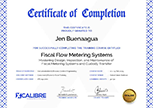
Upon successful completion of this training course, participants will be awarded a Certificate of Completion from XCalibre Training Centre, acknowledging their accomplishment. This certificate serves as a testament to their dedication to developing their skills and advancing their expertise in their respective fields.