
| Date | Venue | Fee | |
|---|---|---|---|
| 30 Nov - 04 Dec 2026 | Dubai – UAE | $ 5,950 | Register Now |
| 03 May - 07 May 2027 | London - UK | $ 6,950 | Register Now |
| 26 Jul - 30 Jul 2027 | Dubai – UAE | $ 5,950 | Register Now |
| 30 Aug - 03 Sep 2027 | London - UK | $ 6,950 | Register Now |
| 29 Nov - 03 Dec 2027 | Dubai – UAE | $ 5,950 | Register Now |
About the Course
A major emergency can develop quickly and is likely to affect people, members of the general public, buildings, services and general operations. Those responsible for managing a response must understand what is happening, decide on the first course of action and maintain control of the situation, often with limited information and time while facing several competing demands. Effective emergency response therefore requires clear responsibilities, effective command and control, sound decisions under pressure and the ability to adapt as new information becomes available. Organisations must also be prepared to communicate clearly, manage evacuation, make effective use of available resources, work with emergency services, keep essential operations running and prepare for the transition from response into recovery.
This 5-day Major Emergency Response Management training course provides delegates with a practical understanding of how to prepare for, manage and recover from a major emergency. The emphasis is on safe and sensible actions, not just theory. Delegates will examine how emergencies can develop, who is responsible for what, command and control, decision-making under pressure, communication, evacuation, resource management, coordination with emergency services, continuity of essential operations and recovery. Discussions, activities and a developing major emergency scenario will require delegates to consider the information available, identify what is missing and determine how the response may need to change when new information is received. Delegates will apply their learning, explain their decisions and consider improvements, strengthening their preparedness to support or manage a multi-department, multi-agency response within their own workplace or organisation.
Core Objectives
The delegates will achieve the following objectives:
- Explain what constitutes a major emergency and how it can develop
- Identify roles and responsibilities during the initial response
- Organise a clear and effective command and control structure
- Assess the developing situation and determine response priorities
- Make safe and sensible decisions under pressure using the information available
- Manage people, resources, communication and external support during an emergency response
- Manage the transition from emergency response through recovery and review
Training Approach
This training course combines clear explanations, group discussions and practical activities with a developing major emergency scenario that progresses throughout the programme. New information will be introduced as the scenario develops, requiring delegates to assess what has happened, determine the necessary actions and explain the reasons for their decisions. Delegates will consider the information available, respond to changing circumstances and review their priorities and decisions as the emergency develops. The final review will examine the actions taken, what worked and what could be improved, enabling delegates to apply the lessons learned to emergency planning and response within their own workplace or organisation.
The Attendees
This training course is designed for managers, supervisors and staff with responsibility for emergency planning, security, operations, facilities, health and safety, business continuity and supporting responses to major incidents.
A broad range of professionals will benefit, including but not limited to:
- Emergency Planning and Response Personnel
- Security Managers and Supervisors
- Operations Managers and Supervisors
- Facilities Managers and Supervisors
- Health and Safety Managers and Officers
- Business Continuity Managers and Coordinators
- Emergency Response Team Members
- Personnel Supporting Major Incident Response
Daily Discussion
DAY ONE: UNDERSTANDING MAJOR EMERGENCIES
- Major Emergency Definition and Escalation Criteria
- Natural, Accidental, Deliberate, and Operational Emergencies
- Incident Development, Escalation, and Secondary Consequences
- Emergency Impacts on People, Infrastructure, Services, and Operations
- Emergency Preparedness: Plans, Responsibilities, Information, and Resources
- Initial Actions for Life Safety, Situational Assessment, and Control
DAY TWO: COMMAND AND CONTROL
- Emergency Command and Control Structure
- Command Authority, Roles, and Responsibilities
- Situational Awareness through Information Gathering
- Response Priorities under Emergency Conditions
- Decision-Making under Pressure with Available Information
- Communication across Command and Response Functions
DAY THREE: MANAGING THE RESPONSE
- Immediate Response Priorities for Incident Stabilisation
- Life Safety for Staff, Visitors, and the Public
- Deployment of Available Personnel and Resources
- Evacuation, Relocation, and Shelter-in-Place Decisions
- Coordination with Emergency Services
- Response Adaptation to Changing Information
DAY FOUR: KEEPING CONTROL OF THE EMERGENCY
- Sustained Control during Prolonged Emergencies
- Information for Staff, Affected People, and Key Stakeholders
- Emerging Problems, Conflicting Demands, and Unintended Consequences
- Continuity of Essential Operations
- Responder Welfare, Fatigue, and Operational Handovers
- Recovery Planning during the Emergency Response
DAY FIVE: RECOVERY AND POST-EMERGENCY REVIEW
- Transition from Emergency Response to Recovery
- Restoration of Buildings, Services, and Operations
- Support for Affected People and the Wider Organisation
- Emergency Decisions and Action Records
- Post-Incident Response Review
- Emergency Plan and Response Improvement
Certificate Awarded
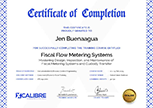
Upon successful completion of this training course, participants will be awarded a Certificate of Completion from XCalibre Training Centre, acknowledging their accomplishment. This certificate serves as a testament to their dedication to developing their skills and advancing their expertise in their respective fields.