
| Date | Venue | Fee | |
|---|---|---|---|
| 30 Nov - 04 Dec 2026 | Dubai – UAE | $ 5,950 | Register Now |
| 03 May - 07 May 2027 | London - UK | $ 6,950 | Register Now |
| 26 Jul - 30 Jul 2027 | Dubai – UAE | $ 5,950 | Register Now |
| 30 Aug - 03 Sep 2027 | London - UK | $ 6,950 | Register Now |
| 29 Nov - 03 Dec 2027 | Dubai – UAE | $ 5,950 | Register Now |
About the Course
Emergency situations and crisis events can occur with little warning, posing significant risks to personnel, operations, assets, and organisational reputation. Effective response requires more than documented procedures—it demands structured preparedness, clear coordination, and the ability to act decisively under pressure. Organisations must ensure that emergency response systems are clearly defined, well-communicated, and supported by trained personnel capable of managing complex and rapidly evolving situations. This includes effective coordination with external agencies, stakeholders, and emergency services to ensure a unified and timely response. Strong preparedness and response capability enables organisations to minimise disruption, protect critical assets, and maintain operational resilience during high-impact events.
This interactive 5-day Emergency Response and Crisis Preparedness training course equips delegates with the practical knowledge and structured approaches required to prepare for, respond to, and manage emergency situations effectively. Delegates will examine emergency response frameworks, risk identification, and escalation processes alongside response coordination, communication protocols, and decision-making under pressure. It further addresses incident command structures, resource mobilisation, and communication challenges during high-impact events, including multi-agency coordination, information gaps, and escalating or simultaneous incidents. Emphasis is placed on strengthening readiness, improving response efficiency, and ensuring coordinated action across teams and functions. Upon completion, delegates will enhance their ability to manage emergencies, minimise operational disruption, and support organisational resilience in critical situations.
Core Objectives
The delegates will achieve the following objectives:
- Outline emergency response structures and preparedness requirements
- Examine potential emergency scenarios and operational vulnerabilities
- Design coordinated response approaches for effective incident management
- Allocate resources and responsibilities during emergency situations
- Apply decision-making techniques under pressure conditions
- Review communication protocols across internal and external stakeholders
- Strengthen readiness to manage and recover from crisis events
Training Approach
This training course adopts an interactive and practical approach, combining facilitator-led sessions, group discussions, scenario-based exercises, and emergency simulations to strengthen response capability. Emphasis is placed on realistic emergency scenarios, including complex and multi-site situations, enabling delegates to apply structured response and coordination techniques under pressure.
The Attendees
This training course is suitable for professionals responsible for emergency response, safety, operations, and crisis management across industries.
A broad range of professionals will benefit, including but not limited to:
- Emergency Response Team Members
- HSE and Safety Professionals
- Operations and Maintenance Personnel
- Supervisors and Team Leaders
- Project and Site Managers
- Security and Risk Professionals
- Business Continuity and Resilience Specialists
Daily Discussion
DAY ONE: EMERGENCY RISK IDENTIFICATION AND PREPAREDNESS FRAMEWORKS
- Types of Emergencies and Risk Exposure
- Hazard Identification and Risk Evaluation
- Emergency Preparedness Principles
- Early Warning Indicators and Signals
- Escalation Triggers and Notification
- Preparedness Gaps and Readiness Assessment
DAY TWO: EMERGENCY RESPONSE STRUCTURE AND COMMAND SYSTEMS
- Emergency Response Organisation Structure
- Roles and Responsibilities During Incidents
- Incident Command System Principles
- Coordination Across Functions and External Agencies
- Resource Allocation and Control
- Decision Authority Under Pressure
DAY THREE: RESPONSE EXECUTION AND INCIDENT CONTROL
- Emergency Response Actions and Procedures
- Situation Assessment and Control Measures
- Resource Mobilisation and Deployment
- Operational Coordination During Response
- Personnel Safety and Accountability
- Managing Simultaneous or Escalating Incidents
DAY FOUR: CRISIS COMMUNICATION AND STAKEHOLDER COORDINATION
- Crisis Communication Principles
- Internal and External Communication Protocols
- Communication Under Pressure Conditions
- Multi-Agency Coordination Challenges
- Media and Public Communication
- Information Flow and Reporting Accuracy
DAY FIVE: RECOVERY, RESILIENCE, AND CONTINUITY
- Recovery Planning and Operational Restoration
- Post-Incident Review and Evaluation
- Improvement Actions and Corrective Measures
- Business Continuity Integration
- Organisational Resilience Strengthening
- Future Preparedness and Scenario Planning
Certificate Awarded
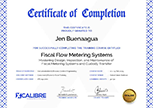
Upon successful completion of this training course, participants will be awarded a Certificate of Completion from XCalibre Training Centre, acknowledging their accomplishment. This certificate serves as a testament to their dedication to developing their skills and advancing their expertise in their respective fields.