
| Date | Venue | Fee | |
|---|---|---|---|
| 16 Nov - 20 Nov 2026 | London - UK | $ 5,950 | Register Now |
| 15 Feb - 19 Feb 2027 | London - UK | $ 6,950 | Register Now |
| 22 Mar - 26 Mar 2027 | Dubai – UAE | $ 5,950 | Register Now |
| 24 May - 28 May 2027 | Dubai – UAE | $ 5,950 | Register Now |
| 20 Sep - 24 Sep 2027 | Riyadh – KSA | $ 5,950 | Register Now |
About the Course
In high-risk and fast-moving environments, organisations face incidents that can escalate rapidly and disrupt operations, reputation, and stakeholder confidence. Effective communication during such situations determines how events are perceived, controlled, and resolved across internal and external audiences. Without a structured and timely communication approach, misinformation and uncertainty can amplify the impact of the incident. Clear, consistent, and transparent messaging supports decision-making, aligns stakeholders, and helps maintain trust during periods of disruption. Strengthening crisis communication capabilities enables organisations to respond with confidence, protect their reputation, and ensure continuity in challenging situations.
This 5-day Incident & Crisis Response Communication Masterclass training course equips delegates with structured communication approaches to manage time-critical situations with clarity, consistency, and authority. It examines how information is developed, approved, and delivered under pressure while ensuring alignment across multiple functions and decision levels. It focuses on practical communication challenges, including misinformation, media scrutiny, stakeholder pressure, and rapid digital response expectations. Delegates will develop clear messaging, coordinate communication activities, and maintain control during incident escalation while addressing leadership responsibilities and cross-functional alignment. It also covers post-incident communication, reputation recovery, and performance review processes to strengthen organisational resilience and stakeholder confidence.
Core Objectives
By the end of the training course, delegates will be able to:
- Identify incident communication priorities and response requirements
- Assess stakeholder expectations and communication sensitivities
- Formulate clear and controlled messages under pressure
- Evaluate communication risks and reputational exposure
- Design structured crisis communication frameworks
- Apply communication protocols during incident escalation
- Coordinate media and public communication activities
- Strengthen decision-making in time-critical situations
Training Approach
This training course utilise a highly interactive and practice-oriented approach, integrating facilitated discussions, structured simulations, and scenario-based exercises to reinforce learning outcomes. Delegates will participate in real-time communication drills to apply crisis response strategies in controlled and high-pressure situations.
The Attendees
This training course is designed for professionals responsible for managing communication, reputation, and stakeholder engagement during incidents and crisis situations across various industries.
A broad range of professionals will benefit, including but not limited to:
- Senior Managers
- Department Heads
- Media Relations Specialists
- External Affairs Specialists
- HSE Response Professionals
- Corporate Communication and Public Relations Professionals
- Risk Management and Compliance Professionals
- Crisis Management and Business Continuity Professionals
- Professionals involved in organisational communication and incident response
Daily Discussion
DAY ONE: INCIDENT COMMUNICATION FUNDAMENTALS AND RESPONSE STRUCTURE
- Incident Types and Communication Triggers
- Crisis Communication Principles and Objectives
- Communication Roles and Responsibility Alignment
- Stakeholder Identification and Impact Mapping
- Communication Channels and Information Flow
- Escalation Protocols and Response Activation
DAY TWO: STAKEHOLDER COMMUNICATION AND MESSAGE DEVELOPMENT
- Stakeholder Expectations and Communication Needs
- Message Development and Internal Alignment
- Internal Communication and Workforce Alignment
- External Communication Planning and Positioning
- Managing Sensitive and Confidential Information
- Communication Timing and Message Consistency
DAY THREE: MEDIA HANDLING AND PUBLIC COMMUNICATION EXECUTION
- Media Risks and Communication Exposure
- Public Messaging and Media Delivery Execution
- Handling Media Enquiries and Interviews
- Social Media Monitoring and Response Control
- Managing Misinformation and Public Perception
- Spokesperson Communication and Delivery Skills
DAY FOUR: CRISIS ESCALATION, LEADERSHIP COMMUNICATION, AND COORDINATION
- Crisis Escalation and Communication Strategy Shift
- Leadership Communication and Decision Alignment
- Cross-Functional Coordination and Message Control
- Communication During Operational Disruption
- Maintaining Trust, Transparency, and Credibility
- Managing Stakeholder Pressure and Expectations
DAY FIVE: RECOVERY COMMUNICATION, REPUTATION MANAGEMENT, AND POST-INCIDENT IMPROVEMENT
- Post-Incident Communication and Recovery Messaging
- Reputation Management and Brand Protection
- Stakeholder Re-engagement and Confidence Rebuilding
- Communication Review and Performance Evaluation
- Post-Incident Learning and Improvement Actions
- Building Organisational Communication Resilience
Certificate Awarded
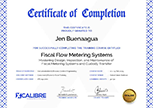
Upon successful completion of this training course, participants will be awarded a Certificate of Completion from XCalibre Training Centre, acknowledging their accomplishment. This certificate serves as a testament to their dedication to developing their skills and advancing their expertise in their respective fields.