
| Date | Venue | Fee | |
|---|---|---|---|
| 21 Dec - 25 Dec 2026 | London - UK | $ 5,950 | Register Now |
| 07 Jun - 11 Jun 2027 | London - UK | $ 6,950 | Register Now |
| 02 Aug - 06 Aug 2027 | Amsterdam - The Netherlands | $ 6,950 | Register Now |
| 11 Oct - 15 Oct 2027 | Dubai – UAE | $ 5,950 | Register Now |
| 20 Dec - 24 Dec 2027 | London - UK | $ 6,950 | Register Now |
About the Course
Organisations today operate in an environment characterised by uncertainty, disruption, and rapidly evolving risks that can significantly impact operations, reputation, and continuity. From operational failures and cyber incidents to geopolitical disruptions and supply chain breakdowns, the ability to anticipate, respond to, and recover from crises has become a critical organisational capability. Increasing regulatory expectations, stakeholder scrutiny, and interconnected business environments further demand that organisations adopt structured, proactive approaches to crisis preparedness and response. Effective crisis management is no longer reactive—it requires disciplined planning, strong leadership, and integrated contingency strategies aligned with organisational risk frameworks, governance structures, and operational priorities.
This interactive 5-day Crisis Management and Contingency Planning training course equips delegates with the strategic and operational capabilities required to manage crises across diverse industry environments. Delegates examine crisis identification, risk prioritisation, and escalation protocols alongside contingency planning, business continuity alignment, and response coordination. It also addresses crisis communication, decision-making under pressure, and leadership accountability during high-impact events, including digital, operational, and external disruptions. Emphasis is placed on developing structured contingency plans, strengthening organisational resilience, and ensuring effective cross-functional coordination. Upon completion, delegates will be equipped to design, implement, and manage resilient crisis response frameworks that minimise disruption, protect organisational value, and support sustained operational performance.
Core Objectives
The delegates will achieve the following objectives:
- Analyse crisis scenarios and organisational vulnerabilities across operational environments
- Evaluate risk exposure and determine priority threats requiring immediate action
- Construct structured crisis management frameworks aligned with governance requirements
- Design contingency strategies that ensure operational continuity and rapid recovery
- Execute decision-making under pressure within time-critical conditions
- Integrate crisis communication across internal and external stakeholder groups
- Formulate coordinated crisis response mechanisms for effective organisational control
Training Approach
This training course adopts a structured and practical approach combining expert-led sessions, guided discussions, and scenario-based exercises to ensure application of crisis management principles. Emphasis is placed on real-world alignment, enabling delegates to translate concepts into actionable organisational practices.
The Attendees
This training course is ideal for professionals responsible for risk, operations, and organisational resilience across industries.
A broad range of professionals will benefit, including but not limited to:
- Senior Managers and Department Heads
- Risk and Compliance Professionals
- Business Continuity Specialists
- Operations and Technical Managers
- Project and Programme Managers
- HSE and Emergency Response Personnel
- Strategy and Governance Professionals
Daily Discussion
DAY ONE: CRISIS RISK IDENTIFICATION AND IMPACT ASSESSMENT
- Crisis Types and Risk Exposure
- Risk Identification Techniques
- Operational Vulnerability Analysis
- Threat Prioritisation Methods
- Impact Assessment Criteria
- Crisis Triggers and Escalation
DAY TWO: CRISIS MANAGEMENT FRAMEWORKS AND GOVERNANCE
- Crisis Management Structure
- Roles and Accountability
- Enterprise Risk Integration
- Escalation Protocols and Authority
- Legal and Compliance Requirements
- Continuity Policy Alignment
DAY THREE: CONTINGENCY PLANNING AND CONTINUITY ALIGNMENT
- Contingency Planning Principles
- Response Strategy Development
- Resource and Continuity Planning
- Alternative Operations and Recovery Paths
- Continuity Framework Alignment
- Plan Validation and Stress Testing
DAY FOUR: CRISIS RESPONSE, DECISION-MAKING, AND COMMUNICATION
- Crisis Response Coordination
- Decision-Making Under Pressure
- Crisis Communication and Digital Channels
- Stakeholder Coordination
- Media and Reputation Control
- Information and Reporting Flow
DAY FIVE: CRISIS RECOVERY, RESILIENCE, AND STRATEGIC INTEGRATION
- Recovery Strategy and Restoration
- Post-Crisis Review and Assessment
- Response Optimisation and Enhancement
- Organisational Resilience Strengthening
- Preparedness Assurance and Readiness Review
- Strategic Crisis Integration
Certificate Awarded
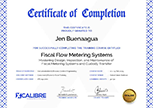
Upon successful completion of this training course, participants will be awarded a Certificate of Completion from XCalibre Training Centre, acknowledging their accomplishment. This certificate serves as a testament to their dedication to developing their skills and advancing their expertise in their respective fields.