
| Date | Venue | Fee | |
|---|---|---|---|
| 17 Aug - 21 Aug 2026 | Istanbul - Turkey | $ 5,950 | Register Now |
| 14 Sep - 18 Sep 2026 | London - UK | $ 5,950 | Register Now |
About the Course
The international crude oil trade depends on the safe, efficient, and commercially successful transportation of cargo under carefully negotiated tanker charterparty agreements. Laytime, demurrage, and delay risk are fundamental commercial and contractual elements that influence voyage performance, freight costs, and the allocation of financial responsibility between the contractual parties. Crude oil tanker chartering is a highly specialised discipline that integrates commercial negotiations, charterparty management, freight market analysis, laytime administration, voyage execution, demurrage, claims handling, and contractual risk management. As freight markets become increasingly volatile and contractual obligations more complex, organisations require shipping professionals who can effectively manage the commercial, operational, and legal aspects of tanker operations to minimise delay-related costs, reduce contractual disputes, protect profitability, and support sound commercial decision-making throughout the voyage lifecycle.
This 5-day Laytime, Demurrage, and Delay Risk in Crude Oil Trade training course provides a comprehensive understanding of the complete commercial cycle, from pre-fixture negotiations and charterparty administration, through voyage execution, laytime and demurrage management, freight calculations, claims prevention, and dispute resolution. Delegates will develop practical knowledge of internationally recognised tanker charterparty forms, commercial documentation, contractual interpretation, and industry best practices, while strengthening their ability to evaluate operational events, administer contractual obligations, and manage time-related commercial exposure. Where relevant, the course also highlights the operational and contractual distinctions associated with refined petroleum product transportation. Through practical case studies, real chartering scenarios, and commercial exercises, delegates will enhance their ability to minimise contractual risk, improve charterparty administration, and support more effective commercial performance across crude oil trading operations.
Core Objectives
By the end of the training course, delegates will be able to:
- Analyse the commercial structure of crude oil tanker chartering and its relationship to international oil trade and voyage performance
- Interpret tanker charterparty forms, contractual clauses, and supporting documentation governing laytime, demurrage, freight, and voyage execution
- Apply internationally recognised principles for laytime calculations, demurrage determination, freight administration, and contractual compliance
- Evaluate charterparty claims, documentary evidence, contractual liabilities, and dispute resolution strategies
- Assess commercial, operational, and regulatory risks affecting tanker chartering, including sanctions, compliance obligations, and delay-related exposure
- Develop effective strategies for negotiating charterparty terms, managing contractual obligations, and mitigating commercial risk
- Formulate commercially sound decisions by applying industry best practices in laytime management, demurrage administration, claims handling, and contractual risk management
Training Approach
This training course is delivered through facilitator-led presentations, interactive discussions, practical charterparty workshops, and commercially focused case studies designed to strengthen both technical competence and commercial awareness. Delegates will analyse internationally recognised tanker charterparty forms, perform laytime and Worldscale freight calculations, interpret contractual clauses, evaluate supporting documentation, and examine realistic commercial scenarios drawn from crude oil trading operations. The learning experience is reinforced through practical exercises, contractual interpretation, group discussions, and problem-solving activities that enable delegates to confidently apply industry best practices in tanker chartering, contract administration, laytime and demurrage management, claims handling, and commercial decision-making to minimise contractual risk and improve operational and commercial performance.
The Attendees
This training course is designed for professionals involved in crude oil trading, tanker chartering, commercial shipping operations, contract administration, and claims management who are responsible for managing charterparty performance, laytime, demurrage, freight administration, and contractual risk throughout the voyage lifecycle.
It will be valuable to professionals, including but not limited to the following:
- Crude Oil Trading Managers
- Shipowners and Ship Managers
- Chartering Managers and Chartering Executives
- Shipbrokers
- Tanker Charterers
- Commercial Managers
- Oil Traders
- Shipping Operations Managers
- Contract Managers and Contract Administrators
- Demurrage and Marine Claims Professionals
- Maritime Lawyers and Legal Advisors
- P&I Club and Marine Insurance Personnel
- Masters, Chief Officers, Marine Superintendents, and Marine Consultants
Daily Discussion
DAY ONE: TANKER CHARTERING AND COMMERCIAL PRACTICES
- Global Crude Oil Trade and Tanker Transportation
- Commercial Roles of Shipowners, Charterers, Traders, and Shipbrokers
- Chartering Structures in the International Oil Trade
- Crude Oil Tanker Fleet Segments (VLCC, Suezmax, Aframax) and Cargo Characteristics
- Tanker Fixture Process: From Enquiry to Recap
- Principal Tanker Charterparty Forms
- Commercial Risks in Fixture Negotiations
- Tanker Market Dynamics and Freight Influences
- Practical Fixture Negotiation Scenarios
DAY TWO: LAYTIME ADMINISTRATION AND DELAY MANAGEMENT
- Laytime Principles and Contractual Provisions
- Notice of Readiness Requirements and Validity
- Laycan, Vessel Arrival, and Commencement of Laytime
- Loading and Discharging Operations
- Laytime Exceptions and Interruptions
- Weather Delays, Berth Congestion, and Terminal Operations
- Documentation Supporting Laytime Calculations
- Time Bar Provisions and Contractual Deadlines
- Delay Prevention and Operational Best Practices
- Practical Laytime Calculation Workshop
DAY THREE: DEMURRAGE, FREIGHT, AND COMMERCIAL CLAIMS
- Demurrage and Despatch Principles
- Freight Calculation and Payment Provisions
- Worldscale Freight Application and Voyage Economics
- Deadfreight and Freight Adjustments
- Demurrage Claim Preparation and Supporting Documentation
- Supporting Evidence for Commercial Claims
- Charterparty Claims Administration
- Claims Prevention Through Effective Contract Management
- Commercial Negotiation and Settlement of Claims
- Recent Tanker Demurrage and Charterparty Dispute Case Studies
DAY FOUR: CONTRACTUAL RISK AND REGULATORY COMPLIANCE
- Bills of Lading, Electronic Documentation, and Documentary Risks
- Letters of Indemnity and P&I Club Implications
- Safe Port and Safe Berth Obligations
- Seaworthiness and Cargoworthiness Obligations
- Cargo Contamination, Quantity Shortage, and Cargo Claims
- Oil Major Vetting and Inspection Requirements
- Sanctions Compliance and International Trade Restrictions
- Environmental Compliance, Decarbonisation, and IMO Regulatory Requirements
- Arbitration, Dispute Resolution, and Governing Law
- Risk Allocation Under Tanker Charterparties
DAY FIVE: COMMERCIAL STRATEGY AND BEST PRACTICE
- Charterparty Negotiation Strategies
- Rider Clauses and Contractual Amendments
- BIMCO Tanker Clauses and Recent Updates
- Operational Performance and Contractual Obligations
- Managing Charterparty Risks Throughout the Voyage
- Commercial Decision-Making in Tanker Operations
- Best Practices in Charterparty Lifecycle Management
- Integrated Laytime and Demurrage Workshop
- Practical Charterparty Risk Assessment
- Comprehensive Commercial Case Study
Certificate Awarded
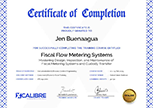
Upon successful completion of this training course, participants will be awarded a Certificate of Completion from XCalibre Training Centre, acknowledging their accomplishment. This certificate serves as a testament to their dedication to developing their skills and advancing their expertise in their respective fields.