
| Date | Venue | Fee | |
|---|---|---|---|
| 07 Dec - 11 Dec 2026 | Dubai – UAE | $ 5,950 | Register Now |
| 05 Jul - 09 Jul 2027 | Dubai – UAE | $ 5,950 | Register Now |
| 06 Dec - 10 Dec 2027 | Dubai – UAE | $ 5,950 | Register Now |
About the Course
The global shipping industry is experiencing unprecedented change driven by volatile freight markets, evolving trade patterns, geopolitical uncertainty, environmental regulations, digital transformation, and increasing commercial complexity. As international trade continues to rely heavily on maritime transportation, organisations require professionals who can successfully integrate shipbroking expertise with efficient shipping operations to maximise commercial performance and minimise operational and contractual risks. Success in today's maritime sector depends on the ability to evaluate market opportunities, negotiate charterparty agreements, manage voyage execution, control operational costs, and respond effectively to changing market and regulatory conditions.
This interactive Shipbroking and Shipping Operations training course provides delegates with a comprehensive understanding of commercial shipbroking, chartering practices, voyage management, shipping operations, contractual administration, commercial risk management, and maritime compliance. Delegates will strengthen their ability to evaluate chartering opportunities, optimise voyage profitability, administer charterparty obligations, manage shipping documentation, mitigate commercial and operational risks, and coordinate effectively with key stakeholders throughout the shipping lifecycle. It also explores digital shipping technologies, freight market developments, decarbonisation initiatives, and emerging industry trends, enabling delegates to enhance commercial decision-making, operational efficiency, and long-term business performance within the global maritime industry.
Core Objectives
The delegates will achieve the following objectives:
- Analyse the commercial structure of the international shipping industry and the roles of key maritime stakeholders
- Evaluate chartering opportunities, freight markets, and voyage profitability to support effective commercial decision-making
- Apply industry best practices in charterparty administration, voyage planning, and shipping operations
- Assess contractual obligations, commercial risks, and regulatory requirements throughout the shipping lifecycle
- Interpret shipping documentation, commercial claims, and maritime contractual provisions to minimise operational disputes
- Develop effective negotiation, stakeholder management, and commercial performance improvement strategies
- Formulate practical solutions that optimise commercial performance, operational efficiency, and business resilience
Training Approach
This training course combines expert instruction with practical industry discussions, commercial examples, and real-world shipping scenarios to strengthen both technical knowledge and commercial decision-making. Delegates will examine charterparty agreements, freight market developments, voyage planning methodologies, shipping documentation, contractual obligations, commercial risks, and operational challenges encountered across the maritime industry. It encourages active participation through facilitated discussions and problem-solving approaches that enable delegates to apply internationally recognised best practices in shipbroking, chartering, shipping operations, and commercial management.
The Attendees
This training course is designed for professionals responsible for commercial shipping, chartering, voyage management, maritime logistics, and shipping operations who seek to strengthen their commercial, contractual, and operational capabilities.
A broad range of professionals will benefit, including but not limited to:
- Shipbrokers
- Chartering Managers
- Chartering Executives
- Shipowners
- Ship Managers
- Shipping Operations Managers
- Voyage Managers
- Marine Superintendents
- Commercial Managers
- Freight Traders
- Commodity Traders
- Maritime Logistics Professionals
- Port Operations Managers
- Marine Claims Professionals
- Contract Managers
- Maritime Lawyers
- P&I Club Personnel
- Masters and Chief Officers
Daily Discussion
DAY ONE: COMMERCIAL SHIPPING AND SHIPBROKING PRACTICES
- International Shipping Markets and Trade Dynamics
- Commercial Roles of Shipowners, Charterers, and Shipbrokers
- Chartering Structures and Commercial Applications
- Standard Charterparty Forms and Commercial Clauses
- Fixture Process and Charterparty Formation
- Freight Markets and Commercial Intelligence
- Commercial Risks in Chartering
DAY TWO: CHARTERING STRATEGY AND VOYAGE COMMERCIAL MANAGEMENT
- Chartering Opportunity Assessment
- Freight Pricing and Market Evaluation
- Voyage Estimation and Profitability Analysis
- Voyage Cost Management and Commercial Exposure
- Voyage Scheduling and Laycan Management
- Charterparty Performance Management
- Charterparty Risk Allocation
DAY THREE: SHIPPING OPERATIONS AND VOYAGE EXECUTION
- Voyage Planning and Execution
- Port and Terminal Operations
- Cargo Operations and Cargo Care
- Shipping Documentation and Bills of Lading
- Laytime, Demurrage, and Despatch
- Delay and Disruption Management
- Voyage Performance and Operational KPIs
DAY FOUR: COMMERCIAL RISK AND MARITIME COMPLIANCE
- Bills of Lading and Documentary Risks
- Commercial Claims Management
- P&I Clubs and Marine Insurance
- BIMCO Clauses and Contractual Developments
- Maritime Sanctions and Trade Compliance
- Environmental Compliance, Decarbonisation, and IMO Requirements
- Maritime Dispute Resolution
DAY FIVE: COMMERCIAL PERFORMANCE AND INDUSTRY OUTLOOK
- Freight Market Forecasting
- Commercial Performance Optimisation
- Charterparty Negotiation Strategies
- Customer and Stakeholder Relationship Management
- Digital Shipping Technologies
- Business Continuity and Operational Resilience
- Emerging Challenges in Commercial Shipping
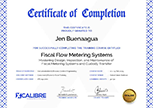
Certificate Awarded
Upon successful completion of this training course, participants will be awarded a Certificate of Completion from XCalibre Training Centre, acknowledging their accomplishment. This certificate serves as a testament to their dedication to developing their skills and advancing their expertise in their respective fields.