
| Date | Venue | Fee | |
|---|---|---|---|
| 19 Oct - 23 Oct 2026 | Dubai – UAE | $ 5,950 | Register Now |
| 19 Jul - 23 Jul 2027 | Dubai – UAE | $ 5,950 | Register Now |
| 18 Oct - 22 Oct 2027 | Dubai – UAE | $ 5,950 | Register Now |
About the Course
Global oil and LNG shipping logistics operate within a volatile environment shaped by geopolitical tensions, sanctions regimes, freight market fluctuations, and port constraints. Disruptions such as conflicts, trade restrictions, extreme weather, and infrastructure limitations can significantly affect vessel routing, cargo delivery, and contractual performance. In this environment, shipping decisions must balance cost, compliance, and operational continuity while managing exposure to demurrage, delays, and cargo risks. Increasing complexity across maritime supply chains has intensified the need for stronger coordination, informed decision-making, and compliance with evolving regulatory and trade requirements.
This 5-day Oil and LNG Shipping Logistics Under Disruption training course provides a structured and practical approach to managing shipping logistics under high-risk and uncertain conditions. It integrates vessel operations, chartering strategies, freight market dynamics, sanctions compliance, and marine insurance considerations aligned with current industry practices. Emphasis is placed on route optimisation, contractual exposure, risk control, and supply chain continuity to support resilient logistics decisions. Delegates will strengthen their capability to coordinate shipping operations, evaluate disruption scenarios, interpret freight market movements, and manage insurance and compliance requirements, enabling effective response and sustained performance under changing global conditions.
Core Objectives
By the end of the training course, delegates will be able to:
- Interpret global oil and LNG shipping networks and trade flows
- Coordinate vessel operations under disruption scenarios
- Evaluate maritime risks, sanctions exposure, and routing options
- Determine chartering strategies based on freight market conditions
- Formulate logistics continuity and contingency plans
- Assess shipping performance, cost exposure, and contractual risks
- Strengthen supply chain resilience across maritime logistics systems
Training Approach
This training course delivers a decision-focused learning experience through disruption scenarios, freight market analysis, chartering simulations, and risk-based case discussions aligned with real shipping operations. The delegates will engage in applied planning and commercial evaluations to strengthen coordination, control, and resilience under volatile conditions.
The Attendees
This training course is suitable for professionals responsible for shipping logistics, marine operations, and supply chain coordination within the oil & gas and LNG sectors.
A broad range of professionals will benefit, including but not limited to:
- Shipping and Marine Operations Managers
- LNG and Oil Logistics Coordinators
- Chartering and Commercial Managers
- Supply Chain and Distribution Professionals
- Port and Terminal Operations Personnel
- Risk, Insurance, and Compliance Professionals
- Energy Trading and Scheduling Teams
Daily Discussion
DAY ONE: GLOBAL SHIPPING SYSTEMS AND FREIGHT MARKET DYNAMICS
- Global Oil and LNG Trade Routes and Flows
- Shipping Logistics Networks and Infrastructure
- Vessel Types and Cargo Characteristics
- Freight Market Structure and Rate Drivers
- Shipping Cost Components and Market Cycles
- Disruption Sources in Global Logistics
DAY TWO: SHIPPING OPERATIONS, CHARTERING, AND FREIGHT DECISIONS
- Voyage Planning and Operational Coordination
- Charter Party Structures and Contract Terms
- Spot and Term Chartering Strategies
- Freight Rate Evaluation and Vessel Selection
- Laytime, Demurrage, and Cost Exposure
- Operational Constraints in Shipping Logistics
DAY THREE: DISRUPTION, SANCTIONS, AND ROUTE OPTIMISATION
- Geopolitical Risks and Maritime Disruptions
- Sanctions Regimes and Trade Restrictions
- Compliance Requirements in Shipping Operations
- Route Deviation and Alternative Corridor Planning
- Port Congestion and Delay Mitigation
- Scenario-Based Disruption Response Planning
DAY FOUR: LNG SHIPPING AND SPECIALISED LOGISTICS CONTROL
- LNG Shipping Systems and Cargo Handling
- LNG Vessel Operations and Containment Systems
- Boil-Off Gas Management During Transit
- LNG Delivery Scheduling and Coordination
- Floating Storage and FSRU Logistics
- LNG Logistics Performance and Risk Control
DAY FIVE: INSURANCE, RISK MANAGEMENT, AND LOGISTICS RESILIENCE
- Marine Insurance Types and Coverage Structures
- War Risk, P&I, and Cargo Insurance Considerations
- Claims Management and Loss Recovery Processes
- Supply Chain Risk Identification and Mitigation
- KPI Monitoring and Logistics Performance Control
- Resilience Planning and Continuity Strategies
Certificate Awarded
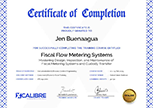
Upon successful completion of this training course, participants will be awarded a Certificate of Completion from XCalibre Training Centre, acknowledging their accomplishment. This certificate serves as a testament to their dedication to developing their skills and advancing their expertise in their respective fields.