
| Date | Venue | Fee | |
|---|---|---|---|
| 21 Jun - 25 Jun 2027 | Dubai – UAE | $ 5,950 | Register Now |
| 20 Sep - 24 Sep 2027 | Dubai – UAE | $ 5,950 | Register Now |
About the Course
The maritime industry operates within a complex legal and contractual framework that governs the relationships between shipowners, charterers, cargo interests, insurers, ports, and other maritime stakeholders. Understanding these legal and contractual principles is essential for managing commercial risks, protecting contractual rights, and ensuring the successful execution of shipping operations. As the industry faces increasing geopolitical uncertainty, sanctions exposure, environmental regulations, and evolving commercial practices, maritime professionals must be able to interpret contractual obligations, understand liability exposures, and make informed decisions that protect both operational and commercial interests throughout the voyage cycle.
This 5-day Maritime Law and Shipping Contracts training course provides delegates with a practical understanding of maritime law and its application to day-to-day shipping activities. It bridges the gap between legal theory and commercial practice by examining charterparties, carriage of goods by sea, bills of lading, marine insurance, claims handling, and dispute resolution. Through practical discussions, case-based analysis, and real-world shipping scenarios, delegates will explore contractual interpretation, risk allocation, war risks and related contractual considerations, sanctions exposure, safe port obligations, vessel performance disputes, cargo claims, and arbitration procedures. Upon completion, delegates will possess the knowledge and practical skills required to identify legal risks, assess liabilities, interpret contractual provisions, and manage commercial and contractual exposures within today's global maritime environment.
Core Objectives
The delegates will achieve the following objectives:
- Explain the legal and regulatory framework governing maritime operations and shipping contracts
- Differentiate between conditions, warranties, and innominate terms and assess their legal and commercial implications
- Interpret charterparty clauses and evaluate the contractual rights, obligations, and risks of the parties involved
- Apply the principles of carriage of goods by sea and Bills of Lading within commercial shipping operations
- Assess the liabilities of shipowners, charterers, cargo interests, and maritime service providers under applicable legal regimes
- Evaluate marine insurance coverage, risk allocation mechanisms, and liability protections in maritime operations
- Analyse maritime disputes and recommend appropriate legal, commercial, and contractual solutions
- Formulate risk management strategies for high-risk trading, sanctions exposure, and complex operational scenarios
- Assess the rights, obligations, and liabilities arising under voyage, time, and bareboat charterparties
- Evaluate charterparty claims arising from laytime, demurrage, off-hire, safe port warranties, deviation, and vessel performance disputes
Training Approach
This training course adopts a highly practical and interactive approach, combining instructor-led presentations, real-world case studies, contract interpretation exercises, dispute analysis, and scenario-based discussions to strengthen delegates' understanding of maritime law and shipping contracts. Delegates will examine charterparties, bills of lading, marine insurance documents, and maritime claims to develop practical legal and commercial insights applicable to day-to-day shipping operations. Emphasis is placed on linking legal principles and contractual obligations to operational and commercial decision-making, enabling delegates to interpret contractual provisions, assess legal risks, and apply the knowledge gained immediately within their professional roles.
The Attendees
This training course is designed for maritime professionals who require a practical understanding of maritime law and shipping contracts to support commercial, operational, legal, and managerial decision-making across the shipping industry, particularly those involved in chartering, vessel operations, cargo management, commercial management, claims handling, marine insurance, and maritime risk management, as well as individuals seeking to strengthen their contractual and legal awareness within the global maritime sector.
A broad range of professionals will benefit, including but not limited to:
- Shipowners and Ship Managers
- Chartering Managers and Executives
- Shipbrokers and Commercial Managers
- Vessel Operators and Fleet Managers
- Marine Claims Handlers and Claims Managers
- Maritime Lawyers and Legal Advisors
- P&I Club Personnel
- Marine Insurance Professionals and Underwriters
- Port and Terminal Professionals
- Masters and Senior Deck Officers
- Cargo and Logistics Professionals
- Maritime Compliance and Risk Management Professionals
- Marine Consultants and Maritime Service Providers
Daily Discussion
DAY ONE: MARITIME LAW AND SHIPPING CONTRACTS
- The Shipping Chain and Stakeholder Responsibilities
- Formation of Shipping Contracts
- Contractual Rights and Obligations
- Sources of Maritime Law and International Conventions
- Jurisdiction and Applicable Law in Shipping Contracts
- Conditions, Warranties, and Innominate Terms
- Contract Interpretation Principles
- Common Causes of Maritime Disputes
DAY TWO: CHARTERPARTIES AND CONTRACTUAL OBLIGATIONS
- Voyage Charterparties
- Time Charterparties
- Bareboat Charterparties
- Owner and Charterer Obligations
- Safe Port and Safe Berth Obligations
- Seaworthiness and Due Diligence
- Employment and Voyage Orders
- BIMCO Standard Charterparty Forms
- Risk Allocation in Charterparties
DAY THREE: CHARTERPARTY RISKS AND WAR RISK MANAGEMENT
- Laytime and Demurrage Legal Principles
- Off-Hire and Vessel Performance Issues
- Deviation and Contractual Consequences
- Force Majeure and Frustration
- War Risk Clauses and BIMCO Provisions
- Safe Port Obligations During High-Risk Trading
- Sanctions and Regulatory Restrictions
- Insurance Implications of War Risks
- Managing Commercial Exposure During High-Risk Trading
- Contractual Remedies and Termination Rights
DAY FOUR: CARRIAGE OF GOODS AND MARINE INSURANCE
- Bills of Lading Functions and Legal Status
- Electronic Bills of Lading and Digital Trade Documentation
- Carriage of Goods by Sea Regimes
- Comparative Analysis of Hague, Hague-Visby, and Rotterdam Rules
- Cargo Claims and Liability Assessment
- Cargo Damage, Shortage, and Delay Claims
- Letters of Indemnity and Associated Risks
- Hull and Machinery Insurance
- Protection and Indemnity Insurance
- General Average Principles
- Salvage Rights and Obligations
DAY FIVE: CLAIMS, DISPUTES, AND RISK MANAGEMENT
- Breach of Contract and Available Remedies
- Maritime Claims Management
- Arbitration Procedures and Processes
- Enforcement of Maritime Claims
- Vessel Arrest and Security for Claims
- Administrative Detention and Legal Consequences
- Contractual Risk Mitigation Strategies
- Dispute Resolution Techniques
- Managing Legal and Commercial Risk in Shipping Operations
Certificate Awarded
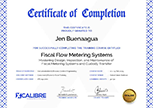
Upon successful completion of this training course, participants will be awarded a Certificate of Completion from XCalibre Training Centre, acknowledging their accomplishment. This certificate serves as a testament to their dedication to developing their skills and advancing their expertise in their respective fields.