
| Date | Venue | Fee | |
|---|---|---|---|
| 14 Sep - 18 Sep 2026 | Dubai – UAE | $ 5,950 | Register Now |
| 05 Oct - 09 Oct 2026 | London - UK | $ 5,950 | Register Now |
| 23 Nov - 27 Nov 2026 | Istanbul - Turkey | $ 5,950 | Register Now |
| 21 Dec - 25 Dec 2026 | London - UK | $ 5,950 | Register Now |
| 29 Mar - 02 Apr 2027 | London - UK | $ 6,950 | Register Now |
| 10 May - 14 May 2027 | Dubai – UAE | $ 5,950 | Register Now |
| 26 Jul - 30 Jul 2027 | London - UK | $ 6,950 | Register Now |
| 13 Sep - 17 Sep 2027 | Dubai – UAE | $ 5,950 | Register Now |
| 04 Oct - 08 Oct 2027 | London - UK | $ 6,950 | Register Now |
| 22 Nov - 26 Nov 2027 | Istanbul - Turkey | $ 6,950 | Register Now |
| 20 Dec - 24 Dec 2027 | London - UK | $ 6,950 | Register Now |
About the Course
The transportation of LNG and oil is exposed to increasing operational, safety, security, and commercial risks driven by geopolitical tensions, evolving trade routes, regulatory requirements, and the growing complexity of global energy logistics. LNG carriers and oil tankers operate in high-risk environments where disruptions can lead to significant financial losses, safety incidents, environmental damage, and supply chain interruptions. As global energy demand intensifies and supply chains become more interconnected, ensuring safe, secure, and efficient hydrocarbon transportation has become a critical priority for energy companies, shipping operators, and logistics stakeholders.
This highly practical 5-day LNG and Oil Transportation Risk Management training course equips professionals with the capability to identify, assess, and manage risks across maritime transport operations in alignment with internationally recognised industry standards. It integrates key principles from the International Maritime Organisation, Society of International Gas Tanker and Terminal Operators, and Oil Companies International Marine Forum, covering safety management systems, LNG handling practices, tanker operations, and structured risk control frameworks. Delegates will examine vessel-related risks, cargo handling hazards, voyage and route risk assessments, and incident response strategies. Upon completion, delegates will be equipped to strengthen regulatory compliance, enhance operational safety, and ensure continuity across LNG and oil transportation systems in dynamic and high-risk operating environments.
Core Objectives
The delegates will achieve the following objectives:
- Assess risks affecting LNG and oil transportation operations
- Examine safety, security, and operational threats across maritime transport
- Apply risk assessment techniques aligned with IMO, SIGTTO, and OCIMF guidance
- Strengthen coordination between vessels, terminals, and maritime authorities
- Implement safety and risk control measures in hydrocarbon transport
- Direct incident response and disruption management during transport operations
- Enhance operational resilience and continuity across energy logistics
Training Approach
This training course adopts a highly practical and scenario-driven approach, combining expert-led sessions, guided discussions, and operational simulations. Delegates will engage in realistic LNG and oil transportation scenarios to strengthen risk management, safety response, and coordination across maritime and logistics stakeholders in alignment with international standards.
The Attendees
This training course is designed for professionals responsible for LNG and oil transportation, maritime operations, and energy logistics risk management.
A broad range of professionals will benefit, including but not limited to:
- Marine and Shipping Operations Managers
- LNG and Oil Terminal Personnel
- Chartering and Commercial Managers
- Maritime Safety and Risk Professionals
- Energy Logistics and Supply Chain Specialists
- HSE and Compliance Officers
- Vessel Operations and Fleet Supervisors
- Marine Engineers and Technical Personnel
Daily Discussion
DAY ONE: LNG AND OIL TRANSPORTATION RISK ENVIRONMENT
- Global LNG and Oil Trade Routes and Logistics Flows
- Transportation Systems and Operational Interfaces
- Risk Factors in LNG and Oil Transport Operations
- Geopolitical and Maritime Disruption Risks
- Threat Landscape in Hydrocarbon Transport
- Risk Identification and Exposure Assessment
DAY TWO: VESSEL AND CARGO RISK MANAGEMENT (IMO / SIGTTO / OCIMF)
- LNG Carrier and Oil Tanker Operational Risks
- Cargo Characteristics and Handling Hazards (SIGTTO Best Practices)
- Loading, Unloading, and Transfer Risks
- Shipboard Safety Systems (IMO ISM Code)
- Human Factors and Operational Errors
- Tanker Safety Management and OCIMF TMSA Principles
DAY THREE: VOYAGE RISK ASSESSMENT AND ROUTE MANAGEMENT
- Voyage Risk Assessment Methodologies
- Route Planning Under Geopolitical and Security Constraints
- Weather, Navigation, and Environmental Risks (IMO MARPOL Considerations)
- Maritime Security Risks (Piracy, Conflict Zones)
- Real-Time Risk Monitoring and Decision Adjustment
- Coordination with Ports, Terminals, and Authorities
DAY FOUR: INCIDENT RESPONSE AND OPERATIONAL CONTROL (IMO FRAMEWORK)
- Incident Response Planning in Maritime Transport
- Emergency Scenarios (Collision, Spill, Fire, Cargo Release)
- Communication and Coordination During Incidents
- Operational Command and Control in Emergencies
- Incident Reporting and Investigation (IMO Requirements)
- Operational Lessons Integration and Performance Reinforcement
DAY FIVE: COMPLIANCE, COMMERCIAL RISK, AND CONTINUITY (IMO / OCIMF)
- IMO Regulatory Compliance and Audit Requirements
- Environmental Protection and MARPOL Compliance
- Charterparty Risk and Contractual Liabilities
- Marine Insurance (Hull, Cargo, P&I, War Risk)
- Business Continuity in Energy Transportation
- Strategic Risk Management and Operational Resilience
- SIRE / TMSA Audit Readiness and Compliance Assurance
Certificate Awarded
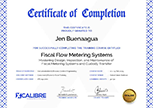
Upon successful completion of this training course, participants will be awarded a Certificate of Completion from XCalibre Training Centre, acknowledging their accomplishment. This certificate serves as a testament to their dedication to developing their skills and advancing their expertise in their respective fields.