
| Date | Venue | Fee | |
|---|---|---|---|
| 05 Oct - 09 Oct 2026 | Dubai – UAE | $ 5,950 | Register Now |
| 30 Nov - 04 Dec 2026 | Lisbon - Portugal | $ 5,950 | Register Now |
| 10 May - 14 May 2027 | London - UK | $ 6,950 | Register Now |
| 02 Aug - 06 Aug 2027 | Kigali - Rwanda | $ 6,950 | Register Now |
| 04 Oct - 08 Oct 2027 | Dubai – UAE | $ 5,950 | Register Now |
| 29 Nov - 03 Dec 2027 | Lisbon - Portugal | $ 6,950 | Register Now |
About the Course
Energy projects operate within increasingly complex environmental and regulatory landscapes, where environmental risks can significantly impact project timelines, costs, compliance status, and stakeholder acceptance. From emissions, waste management, and water usage to biodiversity and land impact, organisations must address a wide range of environmental considerations throughout the project lifecycle. Increasing ESG expectations, climate-related risks, and regulatory scrutiny further require organisations to adopt structured approaches to environmental risk management and sustainability integration, particularly during construction and operational phases.
This 5-day Environmental Risk Management in Energy Projects training course equips delegates with the capability to identify, assess, and control environmental risks across project phases. Delegates will examine environmental risk frameworks, impact assessment methods, and regulatory requirements alongside mitigation planning, monitoring strategies, and reporting obligations. It further addresses environmental compliance management, contractor-related risks, and stakeholder expectations, as well as climate risk considerations within project execution. Emphasis is placed on strengthening environmental risk control, ensuring regulatory alignment, and supporting sustainable project outcomes. Upon completion, delegates will be equipped to manage environmental risks proactively, minimise environmental impact, and enhance project performance within complex and regulated energy environments.
Core Objectives
The delegates will achieve the following objectives:
- Identify environmental risks associated with energy projects across lifecycle stages
- Assess environmental impacts and exposure within project environments
- Formulate structured environmental risk management approaches aligned with regulations
- Control environmental exposure through targeted mitigation strategies
- Apply monitoring techniques to evaluate environmental performance
- Validate compliance with environmental standards and regulatory requirements
- Advance sustainability integration within project delivery
Training Approach
This training course adopts a structured and practical approach, combining expert-led sessions, guided discussions, and scenario-based exercises to strengthen environmental risk management capability. Emphasis is placed on real project scenarios, including construction-phase challenges and contractor activities, enabling delegates to apply environmental risk control strategies within energy project environments.
The Attendees
This training course is suitable for professionals involved in environmental management, project execution, and regulatory compliance within energy and infrastructure sectors.
A broad range of professionals will benefit, including but not limited to:
- Environmental and Sustainability Professionals
- Project and Construction Managers
- HSE and Compliance Specialists
- Energy and Utility Engineers
- Regulatory and Environmental Officers
- Risk and Governance Professionals
- Operations and Maintenance Personnel
Daily Discussion
DAY ONE: ENVIRONMENTAL RISK IDENTIFICATION AND PROJECT CONTEXT
- Environmental Risk Types in Energy Projects
- Regulatory Environment and Compliance Requirements
- Environmental Impact Sources and Drivers
- Project Lifecycle Environmental Exposure
- Risk Identification Techniques
- Environmental Baseline Conditions
DAY TWO: ENVIRONMENTAL IMPACT ASSESSMENT AND ANALYSIS
- Environmental Impact Assessment (EIA) Principles
- Impact Identification and Evaluation
- Air, Water, and Soil Impact Analysis
- Biodiversity and Ecosystem Considerations
- Cumulative and Indirect Impact Assessment
- Environmental Risk Prioritisation
DAY THREE: ENVIRONMENTAL RISK CONTROL AND MITIGATION STRATEGIES
- Environmental Risk Control Approaches
- Mitigation Planning and Implementation
- Pollution Prevention and Control Measures
- Waste and Resource Efficiency Management
- Environmental Management Plans (EMP)
- Contractor Environmental Compliance Management
DAY FOUR: COMPLIANCE, MONITORING, AND REGULATORY REPORTING
- Environmental Compliance Frameworks
- Monitoring Systems and Performance Indicators
- Environmental Auditing and Inspection Practices
- Reporting and Documentation Requirements
- Regulatory Engagement and Stakeholder Communication
- Non-Compliance Response and Corrective Measures
DAY FIVE: SUSTAINABILITY, CLIMATE RISK, AND LONG-TERM PERFORMANCE
- Sustainability Integration in Energy Projects
- Environmental Performance Evaluation Methods
- Stakeholder and Community Expectations
- Climate Risk and Energy Transition Impacts
- Environmental Performance Optimisation
- Future Environmental Risk Planning
Certificate Awarded
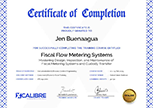
Upon successful completion of this training course, participants will be awarded a Certificate of Completion from XCalibre Training Centre, acknowledging their accomplishment. This certificate serves as a testament to their dedication to developing their skills and advancing their expertise in their respective fields.