
| Date | Venue | Fee | |
|---|---|---|---|
| 12 Oct - 16 Oct 2026 | Dubai – UAE | $ 5,950 | Register Now |
| 21 Dec - 25 Dec 2026 | London - UK | $ 5,950 | Register Now |
| 07 Jun - 11 Jun 2027 | London - UK | $ 6,950 | Register Now |
| 02 Aug - 06 Aug 2027 | Amsterdam - The Netherlands | $ 6,950 | Register Now |
| 11 Oct - 15 Oct 2027 | Dubai – UAE | $ 5,950 | Register Now |
| 20 Dec - 24 Dec 2027 | London - UK | $ 6,950 | Register Now |
About the Course
Energy operations across oil & gas, power generation, and utilities face increasing exposure to crisis events driven by geopolitical instability, infrastructure vulnerabilities, cyber threats, supply disruptions, safety incidents, and regulatory pressures. These events can escalate rapidly, affecting operational continuity, asset integrity, workforce safety, and organisational reputation. In many cases, delayed response, unclear command structures, and fragmented communication further intensify the impact of crises. In high-risk environments, ineffective crisis management can result in prolonged downtime, financial losses, and regulatory consequences. Organisations must therefore establish structured crisis management approaches that enable rapid response, clear decision-making, and coordinated action across operational and leadership levels.
This 5-day Crisis Management in Energy Operations training course equips delegates with the capability to anticipate, assess, and respond effectively to crisis situations across complex energy operations. It focuses on crisis detection, escalation control, operational response, communication management, and recovery planning aligned with current industry practices. Delegates will strengthen their ability to lead under pressure, coordinate cross-functional teams, and implement structured crisis management processes. Emphasis is placed on improving situational awareness, enhancing communication clarity, and maintaining operational continuity during high-impact events. Upon completion, delegates will be equipped to manage crises effectively, minimise operational disruption, and support resilient and reliable energy operations.
Core Objectives
The delegates will achieve the following objectives:
- Analyse crisis triggers and evaluate operational risk exposure across energy environments
- Assess escalation scenarios and define structured response requirements
- Design and implement crisis response and operational control strategies
- Strengthen decision-making capability under high-pressure and time-critical conditions
- Enhance communication effectiveness and coordination across stakeholders during crisis events
- Evaluate recovery strategies and operational stabilisation measures
- Strengthen organisational resilience across energy operations
Training Approach
This training course applies a structured and practical methodology, combining expert-led sessions, scenario-based discussions, and guided exercises to ensure direct application within real energy operational environments.
The Attendees
This training course is suitable for professionals responsible for operational continuity, incident response, risk control, and crisis management across energy and industrial operations.
A broad range of professionals will benefit, including but not limited to:
- Operations Managers
- Plant Managers
- HSE Managers
- Emergency Response Coordinators
- Risk Managers
- Maintenance Managers
- Control Room Supervisors
- Project Managers
- Security Managers
Daily Discussion
DAY ONE: CRISIS RISK EXPOSURE AND PREPAREDNESS
- Crisis Categories and Operational Impact Types
- Risk Exposure Across Energy Operations
- Early Warning Indicators and Trigger Thresholds
- Crisis Classification and Severity Levels
- Roles, Responsibilities, and Command Hierarchy
- Integration of Crisis Preparedness into Operations
DAY TWO: CRISIS DETECTION AND ESCALATION CONTROL
- Incident Detection and Classification Criteria
- Escalation Protocols and Decision Authority Levels
- Situation Assessment and Impact Evaluation
- Activation of Emergency Response Structure
- Information Flow and Reporting Channels
- Regulatory Notification and Compliance Triggers
DAY THREE: CRISIS RESPONSE AND OPERATIONAL STABILISATION
- Immediate Response Priorities and Action Sequencing
- Resource Mobilisation and Deployment Control
- Operational Containment and Impact Limitation
- Cross-Functional Coordination During Crisis Response
- Decision-Making Under Time-Critical Conditions
- Interface with External Emergency Services
DAY FOUR: CRISIS COMMUNICATION AND STAKEHOLDER CONTROL
- Crisis Communication Structure and Protocols
- Internal Communication Clarity and Command Messaging
- External Communication and Media Coordination
- Stakeholder Alignment and Expectation Control
- Reputation Protection and Information Accuracy
- Communication Documentation and Audit Trail
DAY FIVE: RECOVERY, CONTINUITY, AND RESILIENCE STRENGTHENING
- Recovery Planning and Operational Restoration Strategy
- Business Continuity Alignment and Service Restoration
- Performance Evaluation and Response Effectiveness Review
- Corrective Action Planning and Control Enhancement
- Resilience Strengthening Across Operations
- Leadership Oversight and Decision Governance
Certificate Awarded
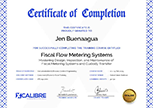
Upon successful completion of this training course, participants will be awarded a Certificate of Completion from XCalibre Training Centre, acknowledging their accomplishment. This certificate serves as a testament to their dedication to developing their skills and advancing their expertise in their respective fields.