

| Date | Venue | Fee | |
|---|---|---|---|
| 08 Jun - 12 Jun 2026 | Dubai – UAE | $ 5,950 | Register Now |
| 17 Aug - 21 Aug 2026 | London - UK | $ 5,950 | Register Now |
| 12 Oct - 16 Oct 2026 | Dubai – UAE | $ 5,950 | Register Now |
| 16 Nov - 20 Nov 2026 | Barcelona - Spain | $ 5,950 | Register Now |
| 21 Dec - 25 Dec 2026 | London - UK | $ 5,950 | Register Now |
| 05 Apr - 09 Apr 2027 | London - UK | $ 6,950 | Register Now |
| 07 Jun - 11 Jun 2027 | Dubai – UAE | $ 5,950 | Register Now |
| 16 Aug - 20 Aug 2027 | London - UK | $ 6,950 | Register Now |
| 11 Oct - 15 Oct 2027 | Dubai – UAE | $ 5,950 | Register Now |
| 15 Nov - 19 Nov 2027 | Barcelona - Spain | $ 6,950 | Register Now |
| 20 Dec - 24 Dec 2027 | London - UK | $ 6,950 | Register Now |
About the Course
Heightened geopolitical tensions and expanding regulatory measures have elevated sanctions compliance to a critical priority within corporate risk management. Organisations operating across multiple jurisdictions face increasing scrutiny from regulators, financial institutions, and business partners, particularly in relation to cross-border transactions, trade flows, and complex ownership structures. Sanctions obligations now extend beyond basic screening activities and require coordinated governance, defined accountability, and consistent control application across operational functions. Weak oversight, inadequate documentation, or misinterpretation of regulatory requirements can result in substantial financial penalties, regulatory restrictions, reputational damage, and operational disruption. As enforcement actions intensify globally, organisations must ensure that their sanctions arrangements remain structured, defensible, and aligned with international compliance expectations.
This 5-day Certified Global Sanctions Specialist training course is designed to strengthen professional capability in managing sanctions exposure within international business environments. It enhances understanding of regulatory authority, institutional responsibility, operational safeguards, and enforcement dynamics, while reinforcing alignment with globally recognised compliance standards. Delegates develop the ability to assess cross-border exposure, evaluate internal control effectiveness, interpret regulatory developments, and support sound decision-making under scrutiny. Through structured discussion and applied analysis, it promotes stronger coordination between compliance, legal, operations, and senior management, contributing to sustainable risk mitigation and enhanced organisational resilience.
Core Objectives
The delegates will achieve the following objectives:
- Explain the structure and jurisdictional reach of major international sanctions regimes and their impact on cross-border operations
- Interpret regulatory requirements and designation criteria to assess potential sanctions exposure within complex business environments
- Apply risk-based compliance principles to strengthen sanctions governance, control ownership, and escalation processes
- Analyse customer, transaction, and trade-related information to identify indicators of direct or indirect sanctions risk
- Evaluate the adequacy of internal screening systems, documentation standards, and control effectiveness under supervisory expectations
- Formulate appropriate responses to high-risk scenarios, including secondary sanctions exposure, evasion indicators, and cross-border complications
- Support defensible decision-making through structured documentation, clear reporting, and alignment with international compliance standards
Training Approach
This training course combines expert instruction with applied case analysis and practical evaluation of sanctions risk situations encountered in international operations. Emphasis is placed on improving screening judgement, escalation discipline, and coordination between compliance, legal, operations, and risk teams to support effective day-to-day control execution.
The Attendees
This training course is designed for professionals within multinational organisations who hold responsibility for managing sanctions exposure, overseeing cross-border compliance controls, and safeguarding the organisation against regulatory and reputational risk.
A broad range of professionals will benefit, including but not limited to:
- Sanctions and Corporate Compliance Managers
- Trade Compliance and Export Control Officers
- Legal and Regulatory Affairs Advisors
- Enterprise Risk and Governance Professionals
- Treasury and International Payments Managers
- Supply Chain and Procurement Compliance Leads
- Shipping, Logistics, and Maritime Risk Managers
- Internal Audit and Assurance Professionals
- Mergers, Acquisitions, and Due Diligence Teams
- Senior Compliance Analysts and Control Owners
Daily Discussion
DAY ONE: GLOBAL SANCTIONS REGIMES & LEGAL AUTHORITY
- United Nations Sanctions Mechanisms
- US Sanctions Jurisdiction and OFAC Authority
- EU and UK Sanctions Regimes
- Sectoral and Targeted Sanctions Measures
- Extraterritorial and Secondary Sanctions Exposure
- Civil, Criminal, and Regulatory Penalties
DAY TWO: SANCTIONS RISK ASSESSMENT & GOVERNANCE
- Enterprise Sanctions Risk Identification
- Risk-Based Compliance Approach
- Governance Structure and Accountability
- Sanctions Policies and Control Ownership
- Escalation and Decision-Making Protocols
- Senior Management and Board Oversight
DAY THREE: SCREENING, DUE DILIGENCE, & TRANSACTION CONTROLS
- Sanctions List Screening Systems
- Beneficial Ownership and Control Analysis
- Customer and Third-Party Risk Profiling
- Trade Finance and Cross-Border Payment Risks
- False Positive Review and Alert Handling
- Recordkeeping and Audit Trail Standards
DAY FOUR: COMPLEX SANCTIONS & EVASION RISKS
- Secondary Sanctions Implications
- Export Controls and Dual-Use Restrictions
- Maritime and Shipping Sanctions Risks
- Sanctions Evasion Typologies
- Digital Assets and Emerging Exposure
- Multi-Jurisdictional Enforcement Coordination
DAY FIVE: ENFORCEMENT, INVESTIGATIONS, & PROGRAMME STRENGTHENING
- Global Enforcement Trends
- Regulatory Examination Focus Areas
- Internal Investigations Process
- Voluntary Disclosure Considerations
- Remediation and Control Enhancement
- Continuous Compliance Improvement
- Mock Examination
Certificate Awarded
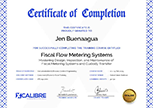
Upon successful completion of this training course, participants will be awarded a Certificate of Completion from XCalibre Training Centre, acknowledging their accomplishment. This certificate serves as a testament to their dedication to developing their skills and advancing their expertise in their respective fields.
Course Enquiry
A XCalibre Professional Development Certification will be given to the delegates upon successful completion of this training course.