

| Date | Venue | Fee | |
|---|---|---|---|
| 30 Nov - 04 Dec 2026 | Dubai – UAE | $ 5,950 | Register Now |
| 25 Jan - 29 Jan 2027 | London - UK | $ 6,950 | Register Now |
| 12 Apr - 16 Apr 2027 | Milan - Italy | $ 6,950 | Register Now |
| 03 May - 07 May 2027 | London - UK | $ 6,950 | Register Now |
| 21 Jun - 25 Jun 2027 | Riyadh – KSA | $ 5,950 | Register Now |
| 13 Sep - 17 Sep 2027 | Dubai – UAE | $ 5,950 | Register Now |
| 01 Nov - 05 Nov 2027 | London - UK | $ 6,950 | Register Now |
| 29 Nov - 03 Dec 2027 | Dubai – UAE | $ 5,950 | Register Now |
About the Course
Rapid technological change, evolving workforce expectations, demographic shifts and competition for critical skills are transforming how organisations develop talent and sustain leadership continuity. Traditional career progression models and replacement-based succession practices are increasingly challenged by flatter organisational structures, emerging job requirements, internal mobility demands and the need for adaptable workforce capabilities. Organisations must establish transparent career pathways, identify business-critical positions, evaluate succession risks and develop employees for future responsibilities while maintaining fairness and workforce engagement. Effective career and succession planning requires the integration of workforce intelligence, competency frameworks, talent assessment, leadership development and strategic business priorities. A structured approach enables organisations to strengthen internal talent pipelines, address capability gaps, reduce dependency on individual employees and respond to changing organisational requirements.
This interactive 5-day Career & Succession Planning training course equips delegates with practical methodologies for designing career development frameworks and establishing sustainable succession management systems. It examines career frameworks, skills-based progression, critical-role identification, talent segmentation, potential assessment, succession readiness and internal mobility strategies. Particular attention is given to objective talent evaluation, succession risk analysis, development pathways, knowledge continuity and governance mechanisms that support equitable talent decisions. Through organisational case studies, talent mapping exercises, competency assessments and succession planning simulations, delegates will develop the ability to evaluate workforce capability, identify successor pools, prioritise development investments and establish measurable talent continuity strategies. It also explores people analytics, AI-assisted talent insights, changing career expectations and practical approaches to maintaining adaptable talent pipelines across evolving organisational structures.
Core Objectives
The delegates will achieve the following objectives:
- Design career development frameworks aligned with organisational strategy, workforce capabilities and future skills requirements
- Evaluate critical roles, succession vulnerabilities and workforce continuity risks
- Develop competency-based career pathways, talent mobility structures and progression criteria
- Apply objective talent assessment methods to evaluate performance, potential and succession readiness
- Establish succession pipelines, successor development strategies and knowledge continuity mechanisms
- Integrate people analytics, talent governance and fairness safeguards into career and succession decisions
- Measure career mobility, succession coverage, talent readiness and organisational continuity outcomes
Training Approach
This training course will combine strategic HR frameworks, workforce analysis, practical talent assessment exercises, organisational case studies and scenario-based succession planning activities. Delegates will examine representative organisational structures, job families, competency profiles, talent inventories and workforce risk scenarios to develop integrated career and succession planning solutions. Practical activities will include career pathway mapping, critical-role prioritisation, performance–potential calibration, successor readiness assessments, talent pool design and development pathway evaluation. Case studies involving leadership vacancies, technical expertise shortages, internal mobility barriers, succession bias and organisational restructuring will provide realistic decision-making contexts. Delegates will also interpret illustrative people analytics dashboards and assess AI-supported talent recommendations, with particular attention to data quality, fairness, confidentiality and human oversight.
The Attendees
This training course is designed for HR professionals, talent management specialists, organisational development practitioners and business leaders responsible for strengthening career progression, workforce capability and succession continuity.
A broad range of professionals will benefit, including but not limited to:
- Human Resources Directors and Managers
- Talent Management Managers
- Succession Planning Specialists
- Learning and Development Managers
- Organisational Development Professionals
- Workforce Planning Specialists
- HR Business Partners
- Career Development Specialists
- Leadership Development Managers
- People Analytics Professionals
- Performance Management Specialists
- Department Heads and Functional Managers
- Human Capital Strategy Professionals
- Employee Development and Retention Specialists
Daily Discussion
DAY ONE: STRATEGIC CAREER FRAMEWORKS AND WORKFORCE CAPABILITY
- Career Planning within Strategic Workforce Planning
- Job Families, Career Levels and Role Structures
- Competency Frameworks and Future Skills Requirements
- Vertical, Lateral and Specialist Career Pathways
- Career Progression Criteria and Employee Aspirations
- Career Framework Alignment with Business Priorities
DAY TWO: CRITICAL ROLE IDENTIFICATION AND SUCCESSION RISK
- Business-Critical Roles and Position Prioritisation
- Workforce Demographics and Talent Supply Analysis
- Succession Vulnerability and Vacancy Risk Assessment
- Role Dependency and Institutional Knowledge Exposure
- Internal Talent Availability and Capability Gaps
- Succession Risk Mapping and Coverage Priorities
DAY THREE: TALENT ASSESSMENT AND SUCCESSOR READINESS
- Performance, Potential and Capability Differentiation
- Competency-Based Talent Assessment Methods
- Talent Calibration and Nine-Box Matrix Applications
- Successor Readiness Criteria and Evidence Validation
- Assessment Bias, Fairness and Talent Decision Integrity
- Succession Talent Pools and Readiness Classification
DAY FOUR: CAREER MOBILITY AND SUCCESSOR DEVELOPMENT
- Individual Career Development Pathways
- Targeted Development for Successor Readiness
- Stretch Assignments, Job Rotation and Secondments
- Mentoring, Coaching and Leadership Exposure
- Knowledge Transfer and Role Transition Preparation
- Internal Mobility and Talent Retention Strategies
DAY FIVE: SUCCESSION GOVERNANCE AND TALENT PIPELINE PERFORMANCE
- Succession Governance and Decision Accountability
- Career Mobility and Succession Performance Metrics
- People Analytics and AI-Assisted Talent Insights
- Succession Contingencies and Emergency Role Coverage
- Talent Pipeline Reviews and Development Investment Priorities
- Integrated Career–Succession Portfolio Evaluation
Certificate Awarded
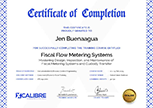
Upon successful completion of this training course, participants will be awarded a Certificate of Completion from XCalibre Training Centre, acknowledging their accomplishment. This certificate serves as a testament to their dedication to developing their skills and advancing their expertise in their respective fields.
Course Enquiry
A Human Resource Certification Institute (HRCI)® Pre-approved Training Course