
| Date | Venue | Fee | |
|---|---|---|---|
| 26 Oct - 30 Oct 2026 | Dubai – UAE | $ 5,950 | Register Now |
| 10 May - 14 May 2027 | Dubai – UAE | $ 5,950 | Register Now |
| 07 Jun - 11 Jun 2027 | Dubai – UAE | $ 5,950 | Register Now |
| 16 Aug - 20 Aug 2027 | London - UK | $ 6,950 | Register Now |
| 25 Oct - 29 Oct 2027 | Dubai – UAE | $ 5,950 | Register Now |
About the Course
Public sector organisations are under increasing pressure to modernise operations, improve service delivery, and respond effectively to evolving economic, social, and regulatory demands. Leaders must balance policy objectives, operational efficiency, and public accountability while navigating complex institutional structures. Reform efforts require more than policy direction; they demand disciplined leadership, organisational coordination, and consistent execution across multiple stakeholders. Rising expectations around transparency, digital transformation, and citizen-centric services require leaders to act with clarity, responsiveness, and governance discipline. In many public institutions, fragmented initiatives, resistance to change, and limited coordination result in slow reform progress, inefficiencies, and gaps in service performance.
This interactive 5-day Leadership for Public Sector Reform and Modernisation training course provides a structured approach to strengthening leadership capability in driving reform and institutional transformation. It integrates practical methods to define reform priorities, coordinate cross-agency initiatives, and reinforce governance structures aligned with national and organisational objectives. Emphasis is placed on decision clarity, stakeholder coordination, service delivery improvement, and performance accountability in public sector environments. Delegates will enhance their ability to manage reform initiatives, address institutional challenges, and maintain momentum under political and operational pressure. It equips delegates with structured leadership approaches and practical tools to drive modernisation, improve service outcomes, and sustain reform impact.
Core Objectives
By the end of the training course, delegates will be able to:
- Interpret reform priorities within public sector mandates
- Diagnose institutional gaps affecting service delivery and efficiency
- Formulate structured reform initiatives aligned with policy objectives
- Direct coordination across agencies and stakeholder groups
- Strengthen governance and accountability mechanisms
- Address resistance to change within institutional settings
- Align operational activities with reform goals and service standards
- Sustain reform progress under political and organisational constraints
Training Approach
This training course adopts a structured and results-oriented approach, integrating facilitated discussions, reform diagnostics, and scenario-based applications to reinforce learning outcomes. Delegates will apply practical frameworks to lead reform initiatives, strengthen governance discipline, and improve public sector performance.
The Attendees
This training course is designed for professionals responsible for leading reform initiatives, managing public sector operations, and improving service delivery across government and public institutions.
A broad range of professionals will benefit, including but not limited to:
- Senior Government Officials
- Policy Leaders
- Directors
- Department Heads
- Public Sector Programme
- Project Managers
- Governance, Risk, and Compliance Professionals
- Strategy and Planning Professionals in Government Entities
- HR and Organisational Development Professionals
- Professionals involved in public administration and institutional reform
Daily Discussion
DAY ONE: REFORM DIRECTION, INSTITUTIONAL PRIORITIES, AND STRATEGIC FOCUS
- Public Sector Reform Drivers and Policy Imperatives
- Institutional Structures and Operational Constraints
- Service Delivery Gaps and Performance Shortfalls
- Reform Priorities and Strategic Direction Setting
- External Pressures and Stakeholder Expectations
DAY TWO: REFORM DESIGN, POLICY INTEGRATION, AND PROGRAMME STRUCTURING
- Reform Design and Policy Integration Principles
- Structuring Reform Initiatives and Programmes
- Cross-Agency Coordination and Operational Integration
- Resource Allocation and Capability Requirements
- Managing Complexity in Reform Programmes
DAY THREE: GOVERNANCE STRUCTURES, ACCOUNTABILITY, AND DECISION DISCIPLINE
- Governance Frameworks and Institutional Oversight
- Accountability Mechanisms in Public Sector Contexts
- Decision Authority and Escalation Discipline
- Monitoring Reform Delivery and Performance
- Policy–Execution Gaps in Reform Initiatives
DAY FOUR: CHANGE LEADERSHIP, STAKEHOLDER MANAGEMENT, AND IMPLEMENTATION CONTROL
- Leading Change in Public Sector Environments
- Stakeholder Management and Expectation Control
- Managing Resistance and Institutional Barriers
- Communication Strategies for Reform Initiatives
- Implementation Bottlenecks in Public Sector Programmes
DAY FIVE: REFORM SUSTAINABILITY, SERVICE IMPROVEMENT, AND INSTITUTIONAL PERFORMANCE
- Sustaining Reform Delivery and Institutional Stability
- Strengthening Service Delivery and Citizen Outcomes
- Addressing Performance Gaps and Operational Inefficiencies
- Reinforcing Governance Discipline and Leadership Direction
- Maintaining Coordination Across Agencies and Functions
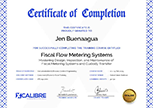
Certificate Awarded
Upon successful completion of this training course, participants will be awarded a Certificate of Completion from XCalibre Training Centre, acknowledging their accomplishment. This certificate serves as a testament to their dedication to developing their skills and advancing their expertise in their respective fields.