
| Date | Venue | Fee | |
|---|---|---|---|
| 02 Nov - 06 Nov 2026 | Dubai – UAE | $ 5,950 | Register Now |
| 31 May - 04 Jun 2027 | Dubai – UAE | $ 5,950 | Register Now |
| 01 Nov - 05 Nov 2027 | Dubai – UAE | $ 5,950 | Register Now |
About the Course
Coastal zones are among the world's most valuable and dynamic environments, supporting major population centres, ports, industrial facilities, tourism, fisheries, and critical infrastructure. However, these areas are increasingly exposed to coastal erosion, sea level rise, extreme storm events, sediment imbalance, urban development, and the impacts of climate change. Protecting coastlines while maintaining environmental sustainability has become a strategic priority for governments, port authorities, infrastructure owners, and coastal developers. Modern coastal protection therefore requires more than traditional engineering solutions; it demands an integrated understanding of coastal hydrodynamics, sediment transport, environmental processes, risk assessment, monitoring, digital engineering, and modelling technologies, and resilient shoreline management practices. The growing adoption of nature-based solutions and adaptive coastal management approaches further reinforces the need for multidisciplinary expertise in planning, design, implementation, and long-term performance evaluation.
This interactive 5-day Best Practices in Coastal Protection and Shoreline Management training course equips delegates with the knowledge and practical methodologies required to evaluate, design, and manage sustainable coastal protection projects using internationally recognised engineering principles and industry best practices. By integrating coastal processes, shoreline assessment, site investigations, numerical and physical modelling, engineering design, environmental considerations, and real-world case studies, delegates will examine the advantages, limitations, and long-term performance of hard engineering, soft engineering, and nature-based coastal protection solutions. It also explores integrated coastal zone management (ICZM), project planning, stakeholder engagement, environmental stewardship, and lessons learned from successful coastal protection projects, enabling delegates to make informed engineering decisions that improve coastal resilience, sustainability, and long-term asset performance.
Core Objectives
The delegates will achieve the following objectives:
- Analyse coastal hydrodynamic processes, sediment transport mechanisms, and shoreline dynamics to support effective coastal engineering decisions
- Evaluate coastal erosion, sedimentation patterns, and shoreline change using appropriate monitoring techniques and engineering data
- Assess the application of physical and numerical modelling techniques in coastal investigations, design validation, and performance prediction
- Differentiate between hard engineering, soft engineering, and nature-based coastal protection solutions based on technical, environmental, and operational requirements
- Interpret coastal monitoring data and shoreline change assessments to support sustainable coastal protection planning and management
- Integrate engineering, environmental, and resilience considerations into the planning, design, and implementation of coastal protection and shoreline management projects
- Develop practical coastal protection strategies by applying industry best practices, integrated coastal zone management (ICZM) principles, and lessons learned from successful coastal engineering projects
Training Approach
This training course combines expert facilitator-led presentations, practical engineering discussions, real-world case studies, and collaborative learning to strengthen delegates' understanding of coastal protection and shoreline management best practices. Delegates will examine coastal engineering principles, analyse site investigations, evaluate monitoring and modelling techniques, and assess the performance of hard engineering, soft engineering, and nature-based coastal protection solutions through practical industry examples. Interactive exercises, group discussions, and project-based engineering activities will reinforce key concepts and encourage the application of engineering judgement to real coastal management challenges. Delegates will also analyse lessons learned from successful coastal protection projects, enabling them to develop practical, sustainable, and resilient solutions that can be applied within their own organisations.
The Attendees
This training course is designed for professionals involved in the planning, design, construction, monitoring, management, and environmental assessment of coastal protection and shoreline management projects.
A broad range of professionals will benefit, including but not limited to:
- Coastal Engineers
- Coastal Planners
- Environmental Engineers
- Port and Harbour Engineers
- Marine and Hydraulic Engineers
- Coastal Management Specialists
- Infrastructure Owners and Asset Managers
Daily Discussion
DAY ONE: COASTAL MANAGEMENT AND COASTAL HYDRODYNAMICS
- Coastal Management Principles
- Coastal Hydrodynamic Processes
- Wave Types, Characteristics, and Measurement
- Wave Transformation in Shallow Water
- Design Wave Statistics
- Coastal and Nearshore Currents
- Tides, Tidal Streams, and Measurement Techniques
DAY TWO: COASTAL GEOMORPHOLOGY, SITE INVESTIGATION, AND COASTAL MODELLING
- Coastal Geomorphology
- Sediment Transport Mechanisms
- Shoreline Change Assessment and Interpretation
- Site Investigation Process
- Field Measurement Planning
- Physical Modelling Techniques and Applications
- Numerical Modelling Techniques and Applications
DAY THREE: COASTAL PROTECTION SYSTEMS AND DESIGN STRATEGIES
- Hard Engineering Coastal Protection Systems
- Soft Engineering Coastal Protection Systems
- Nature-Based Coastal Protection Solutions
- Hybrid Coastal Protection Systems
- Engineering Design Criteria and Solution Selection
- Environmental Impacts and Sustainability Considerations
DAY FOUR: BEST PRACTICES IN COASTAL PROTECTION PROJECTS
- Evaluating Site Investigation Findings
- Assessing Coastal Risks and Engineering Challenges
- Engineering Decision-Making for Coastal Protection Projects
- Multi-Criteria Evaluation of Coastal Protection Alternatives
- Applying Physical and Numerical Models for Performance Assessment
- Construction Planning, Environmental Management, and Implementation
- Climate Change Adaptation and Coastal Resilience
- Stakeholder Engagement
- Coastal Planning Under Uncertainty
DAY FIVE: INTEGRATED COASTAL PROTECTION PROJECT PLANNING
- Defining Project Objectives and Success Criteria
- Evaluating Coastal Protection Design Alternatives
- Integrating Engineering, Environmental, and Social Considerations
- Environmental Impact Assessment and Regulatory Compliance
- Construction Planning and Project Execution
- Monitoring, Performance Evaluation, and Adaptive Management
- Community and Stakeholder Engagement
- Risk Management and Long-Term Coastal Resilience
- Integrated Coastal Protection Project Case Study
- Coastal Protection Project Review and Best Practices
Certificate Awarded
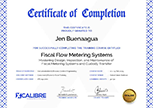
Upon successful completion of this training course, participants will be awarded a Certificate of Completion from XCalibre Training Centre, acknowledging their accomplishment. This certificate serves as a testament to their dedication to developing their skills and advancing their expertise in their respective fields.